April 8, 2020 Your Personal Dev. Book List

How is everyone doing? In my last post, I discussed how, despite the troubled and anxious atmosphere, this is an excellent time for deep reflection and self-improvement. This week, I want to discuss a resource we sometimes forget about: books.
Sure, you could hop online and read any number of articles on how to improve your skills, professional development, or leadership, but a book takes you to another level. It gives you the kind of depth and insight that’s impossible to find in an article AND, chances are, the book has been worked, reworked, and edited so much that the information in it is more carefully put together than your average internet article.
Plus, it’s so much easier to curl up with a book than a laptop!
So, let me share with you some of my favorite personal development books. If you have recommendations of your own, please feel free to leave a comment.
Professional Development:

The Trust Edge, David Horsager
Daring Greatly, Brene Brown
True North, Bill George
Straight Talk for Smart Business Women, Cheryl Leitschuh
The Power of Habit, Charles Duhigg
Leadership Development:
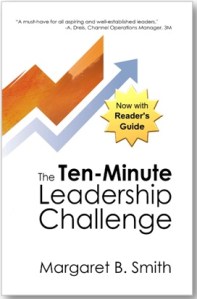
The Ten-Minute Leadership Challenge, Margaret Smith
Love Leadership, John Hope Bryant
Start With Why, Simon Sinek
Inspiration/Self-Help:
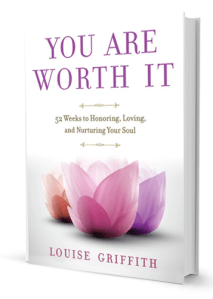
You Are Worth It, Louise Griffith
Big Magic: Creative Living Beyond Fear, Elizabeth Gilbert
The Art of Happiness, by Dalai Lama
The Four Agreements, by Don Miguel Ruiz
Building Financial Acumen:
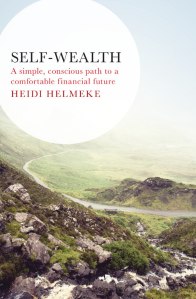
Self-Wealth, Heidi Helmeke
Think & Grow Rich, Napoleon Hill
Women & Money: Owning the Power to Control Your Destiny, Suze Orman
Happy reading!
Tags: Book List for Personal Development, Business Book Reading List, Growth Reading List, margaret smith leadership, Margaret Smith Minneapolis career coach, Personal Development Reading List
- Leave a comment
- Posted under Advice from a Life Coach, Changing Your Life
April 1, 2020 Make Isolation YOUR Time

Our nation is going through a time of unprecedented hardship and fear. In an effort to quell the COVID-19 virus that is spreading like wildfire, many of us are hunkering down at home and only going out for necessities. Though some of our activities might be moved into the virtual space, we all know that isn’t the same. All this alone time can feel isolating and downright scary, but it doesn’t have to be totally terrible.
You have the power to make alone time YOUR time.
Think of it this way: What other time in your life has allowed you to have so much autonomy and control over your schedule? You don’t have to make a long commute; you don’t have people popping into your office every five minutes and interrupting your work flow. Sure, you might be dealing with babysitting your kids at home or working alongside your significant other, but I would still argue that you have an unprecedented opportunity.
How will you use all your newfound “home time?”
I am a big proponent of setting aside time for yourself. Even though you inevitably have other responsibilities, be sure to allot a few minutes every day (even an hour, if you can) that’s dedicated to YOU.
Practice reflection, journaling, or meditation. Think about what you want your personal and professional life to look like after this is all over, and make plans for how you’d like to get there. Perhaps, your plans involve self-improvement steps, such as reading professional development books (I’m planning on putting together a list for my next blog post) or taking online courses.
If learning a new skill (such as coding, video-making, or writing) is part of your personal development plan, you might consider doing a little research to see what, exactly, you need to learn and how you can learn it. Reach out to those who already have these skills, and request resources. Or, you might try combing through an online course bank, such as Udemy or Teachable.
If leadership is part of your personal development plan, try interviewing leaders in your community OR start taking an online leadership course (My 10-Minute Leadership Challenge course is now 50% off to make it more accessible during this troubling time).
No matter which personal development skills you choose to pursue during this time, it is important you make a plan AND stick to it. When you’re at home, it’s easy to let the days drift away in clouds of social media or television. Don’t let that be you! I want you to emerge from this time period, feeling empowered and equipped with a new set of skills to further your professional goals.
If you’re going to be stuck in isolation, you might as well make the most of your time. You’ve got this!
MARGARET SMITH IS A CAREER COACH, AUTHOR, INSIGHTS® DISCOVERY (AND DEEPER DISCOVERY) LICENSED PRACTITIONER, AND FOUNDER OF UXL. SHE HOSTS WORKSHOPS FOR PEOPLE WHO NEED CAREER OR PERSONAL GUIDANCE.
NOW LIVE: CHECK OUT MARGARET’S ONLINE LEADERSHIP COURSE.
Tags: capitalize on quarantine, make isolation your time, margaret smith leadership, Margaret Smith life coach, productivity and COVID-19, self-improvement during quarantine, Time management
- 1 comment
- Posted under Advice from a Life Coach, Changing Your Life, Goals, Leadership
March 25, 2020 Better Personal Branding to Land a Promotion

If you’re looking to land a promotion, it’s a good idea to start with YOU. At the end of the day, the decision makers will dole out promotions to people and personalities they like, in addition to recognizing accomplishments. You’ll want to stand out (in a good way!) and be consistent in your behavior. You’ll want to build and master your personal brand.
How do you develop a personal brand that will help you stand out?
Start with thinking about your end goals. Where do you want to be? What skills and personal attributes do you need to get you there? These are the building blocks of your personal brand.
Once you have your big-picture goals identified, consider how you’ll need to act and what you’ll need to accomplish in a realistic sense. What will your day-to-day look like? Your actions matter, and they are the most important part of your personal brand.
Your appearance and your words pale in comparison to what you DO. You might be the sharpest dresser in the office, but if you fail to turn in your work on time, you’ll be perceived in a negative light.
So what does make a quality brand? What are some of the factors you can put into place to elevate your personal brand in the eyes of others?
Consider these four…
1. Be authentic
As you begin developing your personal brand, being authentic should be your number one priority. Others can see right through a faux personality. Let your best self shine!
2. Check your ego
As much as you’d like to take credit for the success of an entire project, be sure to give credit where credit is due. Acknowledge the achievements of your team members and be sure to tell them you appreciate their contributions.
Additionally, keep in mind that your ideas are not the only ideas. Build a positive personal brand by being inclusive of others and open to their thoughts and opinions.
3. Genuinely care about others
Whether co-workers or clients, make sure you consistently pause and consider others. What are their needs? How can you best help them? Listen carefully to others’ concerns and frustrations, as well as positive experiences. Constantly ask questions and begin to develop an understanding of those with whom you work (be they your customers, team members, or boss).
4. Be bold with your ideas
Individuals are more likely to be successful if they are innovators. If you have a bold new idea, talk about it! Create action. Present your idea to your boss and ask permission to pursue it. This kind of bold, self-starter behavior is what many bosses look for when considering who to promote. Just make sure to present your ideas in a respectful way that opens the door to a discourse…not a “my way or the highway” speech.
5. Focus on the day-to-day
How you act, what you say, and what you do every day can either build or detract from your personal brand. Don’t underestimate the importance of your daily interactions. Your consistent, positive presence is important for building and maintaining your brand.
Make sure your daily actions are, in general, supporting your big-picture goals. If you’d like to, for example, rise to a leadership position, think about how your typical to-do list offers opportunities to achieve that goal. What can you do to put your big-picture goals in the center of your day?
As you work on building your personal brand, remember: success doesn’t usually come over night. Focus on small actions and interactions. Everything matters.
MARGARET SMITH IS A CAREER COACH, AUTHOR, INSIGHTS® DISCOVERY (AND DEEPER DISCOVERY) LICENSED PRACTITIONER, AND FOUNDER OF UXL. SHE HOSTS WORKSHOPS FOR PEOPLE WHO NEED CAREER OR PERSONAL GUIDANCE.
NOW LIVE: CHECK OUT MARGARET’S NEW ONLINE LEADERSHIP COURSE.
Tags: Better Personal Branding, Improve Personal Branding, Margaret Smith business coach, Margaret Smith professional speaker, personal branding for promotion, personal branding Minneapolis
- Leave a comment
- Posted under Personal Branding


 UXL Blog