September 12, 2012 A Post On Procrastination (If You Get Around To Reading It)
Most of us can identify with the term “procrastinator.” When a deadline looms on the horizon, when unpaid bills begin to pile up on the desk, when the task at the top of the priority list nibbles at the back of our brains, a very common inclination is to just put it off. “Tomorrow, I’ll get going on the house project,” we tell ourselves. “Next week I’ll tackle that research for the upcoming presentation.” From experience, we know that procrastination leads to feelings of anxiety, guilt and low self-esteem. So why do we keep putting ourselves through this?
John Perry, Professor of philosophy at Stanford University, tackles the problem of procrastination in his book, The Art of Procrastination. His big idea is that we should turn procrastination into a positive habit with what he calls structured procrastination.
All procrastinators put off things they have to do. Structured procrastination is the art of making this negative trait work for you. (2012)
Perry continues, stating that procrastinating “does not mean doing absolutely nothing. Procrastinators seldom do absolutely nothing; they do marginally useful things, such as gardening or sharpening pencils or making a diagram of how they will reorganize their files when they get around to it.” Becoming aware of this minimizes the voice in our head that tells us we are lazy or unproductive. Instead of feeling depressed over procrastinating on one task, we can point to a whole heap of accomplished tasks that demonstrate how useful and effective we really are. These may not be the things we were “supposed” to have been doing, but any accomplished goal warrants feeling good about.
Yet how should the procrastinator deal with the big, scary, looming task itself? Perry suspects that procrastination may in fact be the result of perfectionism: “Many procrastinators do not realize that they are perfectionists, for the simple reason that we have never done anything perfectly or even nearly so.” Perfectionism “is a matter of fantasy, not reality.”
Often the procrastinator feels paralyzed by the unrealistically high standards they set for themselves. The project feels too big; it seems unclear where to even begin. And as the days toward the deadline fly by, the procrastinator busies themselves with other tasks as a way to justify not working on what they are supposed to be working on.
To combat this, we should do a bit of a reality check: “You have to get into the habit of forcing yourself to analyze, at the time you accept a task, the costs and benefits of doing a less-than-perfect job.” In other words, we need to implement a realistic perspective of our abilities and time constraints. To do this, we must first realize that the fantasy of perfection is just that: a fantasy. More often than not, “a less-than-perfect job will do just fine,” says Perry. This is not to advocate mediocre work. Instead, this outlook points out the simple fact that nobody on the face of the planet has ever done anything perfectly. With this in mind, it becomes easier for the procrastinator (who very well may also be the perfectionist) to free themselves from unrealistic fantasies, and sit down and get to work.
All in all, procrastination can be a negative force in your life if you make it one. Or, it can be a helpful tool. If you’re feeling rotten about having put off something important, make a list of all the things you’ve accomplished during this time. You may surprise yourself with how big the list can get. Allow yourself to feel good about these accomplishments! Were you doing all those things to avoid something else? Perhaps, but that doesn’t take away from the good work you’ve done in other areas of your life. Now you have positive momentum, so use it to start the thing you’ve been avoiding. Free yourself from the fantasy of perfection, and be confident that by stressing over the work, you’re demonstrating that you care about the outcome. Good work will follow.

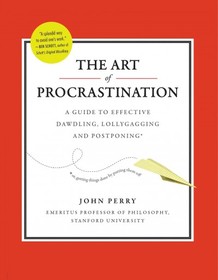
Perry, John. Date. The Art of Procrastination. New York: Workman Publishing Company, Inc.
Tags: How to Boost Self-Esteem, How to Change Your Life, Life Coaching
- Leave a comment
- Posted under Advice from a Life Coach, Changing Your Life
September 4, 2012 Body Language, And Why It’s Important
Body language has the ability to speak volumes when we communicate with others, often making a stronger impression in their memory than our words. In fact, 55% of communication comes from body language. It’s important to be aware of how your posture, facial expressions and eye movement affect your overall impression when talking to a client or shooting for the big promotion.
Most of us understand body language very well and assume we also possess good “body speak.” However, you’d be surprised how many people I encounter who could work on this very important skill. Take a person involved in a team meeting for instance, who, rather than stay engaged in conversation and not miss opportunities to share in amazing problem solving, instead becomes overwhelmed with his Blackberry.
The reason why body language is so powerful is because it mirrors your internal thoughts and feelings. To illustrate this, let’s go over the what’s, how’s and why’s of positive body language.
Eye contact (or lack thereof) shows how attentive you are. Maintaining eye contact throughout a conversation clearly tells the other person that you care about them, that you’re listening, and that you are trying to form a connection with them. On the flip side, frequently losing eye contact to little distractions suggests that the person before you is only slightly more interesting than other things going on around you. Don’t do this! Prove you’re listening through your steady, confident gaze. It’s okay to blink!
Keeping your body turned toward the person you’re speaking with is a physical sign that you are opening yourself up to them, ready to devote your time and full attention. It gives off the impression that your guard is down, that you trust them, and that they are welcome. This may sound like a no-brainer, but the alternative to this stance—having your body turned partially away—gives off a defensive signal, so you’ll want to be aware of how you sit/stand.
Your hands…what to do with them? To piggyback on the above point, your hands, arms and shoulders should coincide with your open body stance in order to say, “You are welcome, I trust you, and you are worth my time.” Crossed arms, tensed shoulders and fidgety hands display discomfort and/or distrust. This is a big no-no! Keep those shoulders relaxed and those arms open. Particularly, crossing your arms conveys a judgmental attitude; conversation is all about finding common ground, and you won’t be able to do this unless your body shows that you’re willing.
While these may seem obvious, it is never a bad idea to brush up on your skills. Here are a few less obvious body language cues which may take time to become aware of and utilize, but are of equal importance:
Being still. It is easy to get tensed up and fidgety, especially when you’re in an interview or giving a presentation. Maintaining a calm, relaxed stance in any situation shows confidence when you speak and provides comfort and welcoming when you listen. The trick? Breathe! Slow, deep breaths calm you, allowing you to be still, engaging, attentive.
Nodding. Nodding is the universal “I follow you” sign. How can you possibly mess up something so simple? One word: Speed. Overly-fast, excessive nodding can be overwhelming and distracting to the person you’re speaking with. It also gives off the impression that you’re impatient, rushing them to the finish. This can make for a jarring experience for the other person. Instead, nod only when you really do agree or follow, and ask strong questions when you do not. Like the point above, when you do nod, it should be slow, calm, smooth.
Leaning forward. You’ll find that you do this naturally when you’re engaged in something, be it a conversation, a ball game or your favorite TV show. Leaning backward communicates that you’re hesitant to engage with a person in conversation.
These small body cues go a long way. They help a person remember you, and if your body language is positive, the memory of their experience with you will follow. Practice these skills in front of a mirror, or with a partner. But also make an effort to become more aware of other people’s body language as you go about your day. How did certain poses, expressions, or behaviors make you feel? Paying attention to these cues will help you hone in on your own body language, and you can tweak your skills from there.
Tags: Career Coach Advice, Confident Interviewing, Improving Relationships, Networking
- Leave a comment
- Posted under Communication, Uncategorized
August 29, 2012 “10 Tips for Feeling Less Trapped at Work” by Amy Lindgren
I read an article titled “10 Tips for Feeling Less Trapped at Work” in the Pioneer Press that aligns perfectly with many of the things I speak about and share with clients. The article’s author, Amy Lindgren, made the great observation that, due to the sluggish—if not non-existent at times—job market, “people feel trapped by the position or company they are currently employed by.”
I agree with the Lindgren’s claim that people feel trapped due to their limited employment options. But I’d like to take Lindgren’s idea one step further: Not is the job market slow, but employers are also struggling to figure out how to keep people engaged and excited about their positions at a time they can’t expand, offer the opportunities they previously offered, or challenge people in the ways they had hoped. In the work I do with companies and their employees, we seek to keep people energized and working on self-improvement so that they’re ready for the opportunities when they arise.
Lindgren supports her claim by urging readers to “make the best of the situation while you are waiting for the tide to turn.”
Her 10 Tips Include:
1. Go Deeper or Get More Shallow: If you are just barely there mentally, getting more deeply involved might engage more of your skills and increase your sense of satisfaction.
2. Seek Balance and Variety: While jobs that are the same every day can be comforting, they can also be numbing. Can you switch some duties with a co-worker to provide more balance in your day?
3. Take Your Breaks: Always take your lunch breaks, a short walk in the morning or afternoon, or any other opportunity to clear your mind, change our perspective, get re-energized, and increase your heart rate. Stepping away from your desk gets blood flowing to your brain and keeps your energy up. Americans are known for sitting long hours, skipping breaks and eating lunch at their desks.
4. Shake Up Your Routine: Instead of eating a sandwich at your desk, eat it while taking a walk outdoors. Maybe you can start a lunch club with co-workers or a Friday potluck.
5. Build Work Relationships: We’re all in this together, after all. Why not do something as a group once a month?
6. Go Home on Time at Least 3 Days a Week: If you can’t get all your work done, there’s either too much work on your plate or you’re using time inefficiently. Whether it’s too much work, or not working the right way, solve the problem.
7. Do Something Outside of Work: Look for something to do that is just for you, such as a good work out—perhaps yoga?
8. Solve a Different Problem: If your work issues seem intractable, turn your attention to other problems that need resolution in your life. How long are you willing to put those things on hold while you wait for work to improve?
9. Start Your Career Exploration Process: If you’ve been itching to move on, this can be within your company or outside of it. It’s never too early to start the networking, planning, and exposure necessary to make a new calling a reality. If you wait, you may be slowing down your progress when the time is right.
10. Prepare Your Resume: Having your resume ready will increase your sense of empowerment and help make all of your accomplishments more obvious to you. This is surely a way to feel less trapped.
Read all of the details of Amy’s comments at: PioneerPress.com
Tags: Career Coach Advice, How to Change Your Life, Job Hunt Advice, Pioneer Press


