Category Archives: Better Business
August 16, 2023 6 Tips for Leading Multi-Generational Workers
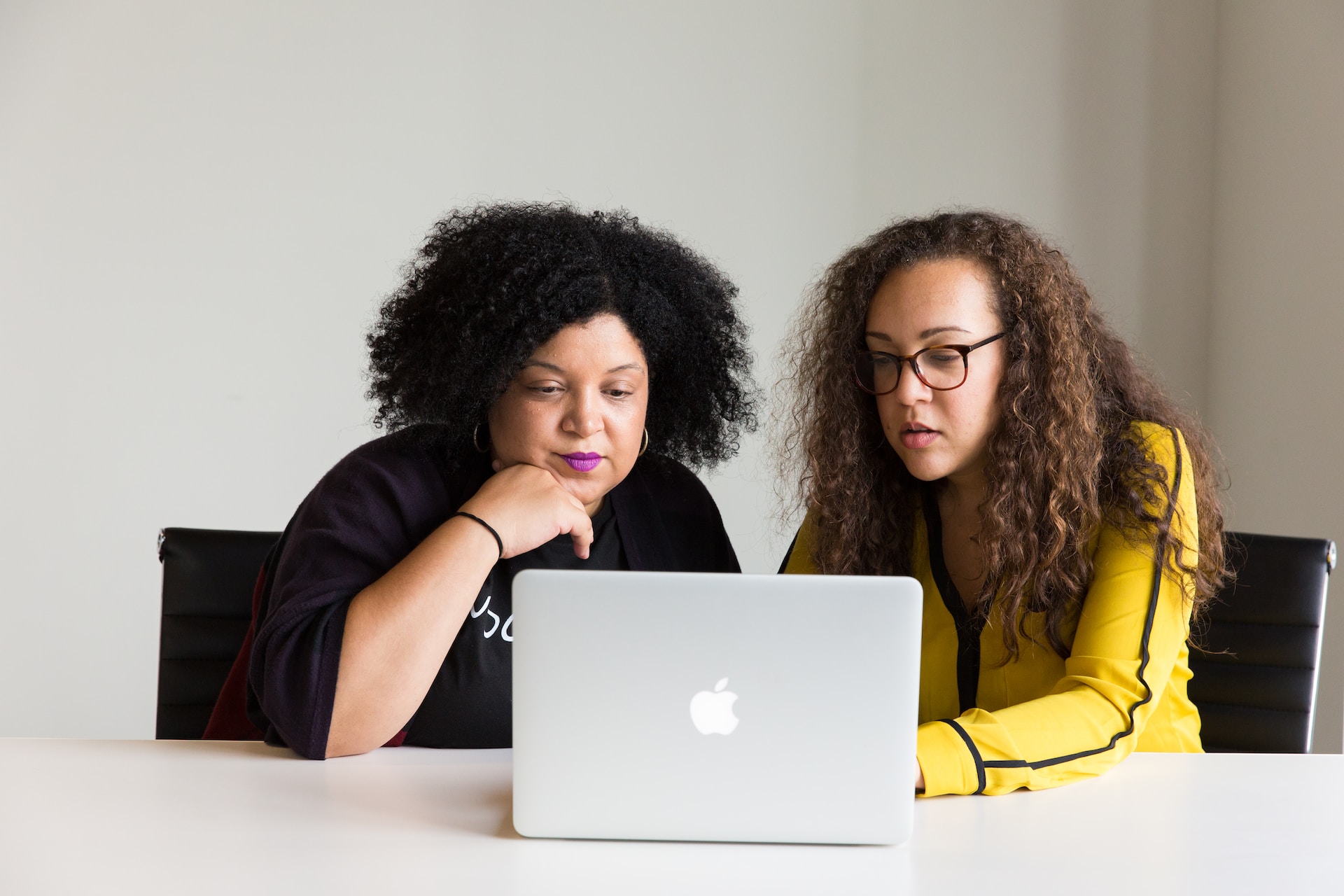
Do Boomers and Millennials tend to bicker with each other? Are Gen Zers unmotivated? Did Gen X check out a while ago? These stereotypes about different generations (among many, many others) are harmful and unproductive. Of course Boomers and Millennials can get along. Gen Z and Gen X can be highly motivated and productive. Employees can thrive no matter which generation they belong to, as long as they have the proper guidance, resources, and leadership.
As a leader, you have the capability to empower your team and set them up for success…or you can favor people from certain generations over others. You can endeavor to build bridges between team members…or you can divide your team into age-defined groups. I challenge you to be a leader that unifies and supports people from all generations.
Why?
For one thing, when people of various ages effectively collaborate, that can be a boon to your company’s bottom line. Research has shown that multi-generational teams have a competitive advantage because they bring a wider array of perspectives and experiences to the table, which can lead to better insights, creativity, and innovations.
Furthermore, if you endeavor to guide, support, and empower all people on your team, that demonstrates you’re a fair-minded and equitable leader. No one wants to work for a leader who picks favorites or only sets up certain people for success!
To improve your cross-generational leadership, try the following tips:
Aim for Understanding
It’s easy to stereotype people due to their age. Not only is this unproductive, it can further harmful biases or place false limitations on a person’s abilities. Instead, get to know your team members on an individual level. Ask meaningful questions, do not focus on their age, and seek to understand their personal goals and motivators. This will help you build stronger connections and foster a more inclusive work environment.
Find Common Ground
It can be easy to notice and focus on the differences that exist between us, but it is essential to find common ground within your team. Seeing the commonalities that exist between you (the leader) and your team is just as important as finding commonalities between team members. This helps to humanize other people and allows for more natural and harmonious collaborations. After all, how effectively can you work with someone who you don’t really know or trust?
Foster Collaboration
Encourage teamwork and collaboration, regardless of age or experience level. Provide opportunities for employees to work together on projects or assignments, and consider creating cross-functional teams that include members from different generations. This can help break down silos and promote a sense of unity within your organization. Not only that, teams with mixed age groups are more apt to come up with innovative and creative solutions due to their diverse viewpoints and experiences.
Offer Flexibility
Different generations may have different preferences when it comes to work hours, work styles, and communication methods. Offer flexibility to accommodate these differing needs, such as flexible work arrangements, remote work options, or alternative communication methods. This can help increase employee satisfaction and productivity, as well as reduce turnover.
Provide Mentoring Opportunities
While all employees can benefit from mentoring, it can be especially valuable for multi-generational teams. Older employees can share their knowledge and experience with younger workers, while younger workers can provide fresh perspectives and new ideas. Encourage mentoring relationships to form organically, but also consider formal mentorship programs to facilitate these connections.
Give Recognition Equally
Recognize and reward all employees for their hard work and achievements, regardless of their age or generation. This shows your team that you value their contributions and efforts, and it can help build morale and motivation. Avoid playing favorites or showing biases towards certain team members, as this can lead to resentment and disengagement.
Remember that effective leadership involves acknowledging and appreciating the strengths and potential of all employees, regardless of their age or generation. It’s easy to stereotype or silo employees, and far more difficult to get to know them on an individual level and encourage cross-generational collaborations. But the effort is worth it. Be a leader that unifies and supports people from all generations, and watch your team thrive as a result!
MARGARET SMITH IS A CAREER COACH, AUTHOR, INSIGHTS® DISCOVERY (AND DEEPER DISCOVERY) LICENSED PRACTITIONER, AND FOUNDER OF UXL. SHE HOSTS WORKSHOPS FOR PEOPLE WHO NEED CAREER OR PERSONAL GUIDANCE.
CHECK OUT MARGARET’S ONLINE LEADERSHIP COURSE.
Tags: how to lead many generations, leading multi-generational workforce, leading older and younger workers, manage many generations in workplace, manage Millennials and Boomers, margaret smith career coach
- Leave a comment
- Posted under Better Business, Leadership, Tips for Improving Interactions
July 12, 2023 Unlocking the Power of Visual Communication (4 Ways)

There’s a reason blockbuster action movies make your pulse quicken, or Pixar animations can make you teary-eyed. Images can have an impact, and visual storytelling can be powerful. In the movie Wall-E, the main character is a robot who doesn’t really speak (aside from chirps and whistles), and yet we feel empathy for this machine.
Fortunately, you don’t have to work in an animation studio to communicate effectively in a visual medium. Here are four ways to make your work more visual (and powerful!):
Cut Words from Your PowerPoints
If a PowerPoint presentation is too text-heavy people either A) get bored or B) focus so much on reading the slides that they don’t pay attention to what you’re saying. One way to avoid this is to cut down on the words in your slides. Instead, use images, graphs, and videos to convey your message. This will help your audience stay engaged and make your presentation more memorable.
Use Infographics
Infographics are a great way to present data in a visually appealing way and can be used to show data trends, compare statistics, or explain complex ideas. Instead of just giving your audience a list of numbers, turn that data into a graphic that tells a story. This can help your audience better understand the information and make it more impactful. There are many online tools (such as Canva) that make it easy to create your own infographics, even if you don’t have a design background.
Tell a Story
Humans have been using stories to communicate for thousands of years, and for good reason. A good story can capture an audience’s attention and keep them engaged. Try to incorporate storytelling into your presentations or reports. This can be done by using anecdotes, case studies, or personal experiences to illustrate your point. Not only will your audience be more interested, but they will also be more likely to remember the information you’re presenting.
Use Color
Color can evoke emotions and influence our moods. Use this to your advantage by incorporating color into your visual content. Choose colors that are appropriate for the message you’re trying to convey. For example, blue can be calming and trustworthy, while red can be energetic and passionate. Colors are also a great way to present a concept—I rely on the colors of the Insights® Discovery color wheel to talk about individuals’ and teams’ communication preferences, ways of processing information, dynamics, and more.
Just make sure to choose colors that are visually appealing, are not too distracting, and make sense with whatever you’re presenting.
Communicating effectively is crucial in today’s world, and using visual storytelling is a powerful way to do so. By following the tips mentioned above, you can create visually appealing content that captures your audience’s attention, conveys your message clearly, and stays with them long after the presentation or report is over. Don’t be afraid to experiment with different visual elements and techniques to find what works best for you and your audience. With practice and persistence, you too can harness the power of visual storytelling to communicate your ideas effectively.
MARGARET SMITH IS A CAREER COACH, AUTHOR, INSIGHTS® DISCOVERY (AND DEEPER DISCOVERY) LICENSED PRACTITIONER, AND FOUNDER OF UXL. SHE HOSTS WORKSHOPS FOR PEOPLE WHO NEED CAREER OR PERSONAL GUIDANCE.
CHECK OUT MARGARET’S ONLINE LEADERSHIP COURSE.
Tags: communicate visual to increase effectiveness, effectiveness of visual communication, Margaret Smith LP of Insights, Margaret Smith professional speaker, the power of storytelling, unlock power of visual communication
- Leave a comment
- Posted under Better Business, Communication, Sales
June 28, 2023 Managing Remote Teams: 7 Practices for Leaders

The work landscape has permanently changed, and it’s imperative for leaders to recognize that. Many people have found working from home to be convenient, time-saving, and less stressful than going into an office—even if this remote work occurs a couple days each week. What’s more, remote teams can provide a lot of benefits to an organization, from cost savings to increased productivity.
The problem, however, is in managing a remote team, especially for leaders who are used to managing teams in a traditional office environment. How do you keep your team’s attention? How should you conduct meetings and other communications? How can you keep everyone cohesive and happy?
Here are seven tips and best practices for leaders who manage teams that work remotely (either occasionally of full-time):
1. Set clear expectations
Setting clear expectations is crucial when managing a remote team. This includes expectations around communication, deadlines, and availability. Make sure to communicate the expectations clearly and consistently, so that everyone is on the same page. I’m a big advocate of clarity, and this becomes even more crucial when managing remotely.
2. Use the right tools
Using the right tools can help remote teams stay connected and productive. Some popular tools include video conferencing software, project management software, and instant messaging tools. Make sure to choose tools that are easy to use and accessible to everyone on the team.
3. Establish regular check-ins
Regular check-ins can help keep remote teams on track and ensure that everyone is on the same page. These check-ins can take the form of video calls, phone calls, or emails. Make sure to establish a regular schedule so everyone knows when to expect the check-ins. NOTE: Be careful not to over schedule, though! If a meeting really isn’t needed, don’t force it (or have a quicker than expected check-in).
4. Encourage collaboration
Collaboration is important for remote teams, just as it is for traditional teams. Encourage collaboration by creating opportunities for team members to work together, such as through shared projects or brainstorming sessions. Use tools that enable real-time collaboration, such as Google Docs or Slack.
5. Foster a positive team culture
Fostering a positive team culture is important for any team, but it can be especially challenging for remote teams. Make an effort to create a positive team culture by recognizing team members’ achievements, celebrating milestones, and promoting a supportive work environment.
6. Provide feedback and recognition
Providing feedback and recognition is important for remote teams, just as it is for traditional teams. Make sure to provide regular feedback and recognition to remote team members, even if it is just a quick email or message. This can help remote team members feel valued and connected to the team. Don’t underestimate the power of a thank you!
7. Establish healthy boundaries
Because our work and personal lives are overlapping more than ever, it is easy to overstep boundaries by emailing or texting after normal working hours. Your team should never be expected to respond to queries outside of the normal payday. To encourage healthy boundaries, don’t contact employees or send emails after hours (many email services allow you to schedule emails to send at a later time—opt to schedule emails during regular work hours). And if someone has scheduled a personal day, don’t interfere! It’s important to establish a firm barrier between our work and personal lives.
Managing remote teams can be challenging, but it is also rewarding. By following some simple tips and best practices, leaders can help their remote teams stay connected, productive, and engaged. Remote work is the future, and leaders need to adapt. You can still be just as effective, engaging, and communicative with a remote team, but you may need to adjust your approach. This could take extra work and strategy at first, but your efforts will be well worth it.
MARGARET SMITH IS A CAREER COACH, AUTHOR, INSIGHTS® DISCOVERY (AND DEEPER DISCOVERY) LICENSED PRACTITIONER, AND FOUNDER OF UXL. SHE HOSTS WORKSHOPS FOR PEOPLE WHO NEED CAREER OR PERSONAL GUIDANCE.
CHECK OUT MARGARET’S ONLINE LEADERSHIP COURSE.
Tags: better management remote teams, effectively manage remote team, lead remote work teams, leadership and work from home, Margaret Smith coaching, margaret smith leadership, remote team management practices
- Leave a comment
- Posted under Better Business, Communication, Leadership, Uncategorized


 UXL Blog