Tag Archives: Lifelong Learning
September 17, 2014 When Is It Okay To Throw In The Towel?
Our society goes on and on about the power of persistence. We’ve all heard the story of Thomas Edison trying thousands of times before finally getting the light bulb right, or of Martin Luther King Jr. bringing about social change against enormous odds. We idolize figures who strive against great obstacles and persevere, unwilling to give up.
To be sure, persistence and resilience in the face of hardship are admirable characteristics. But many blame themselves unfairly for not having success with something that might not be feasible. There are circumstances that no amount of will power can impact, and these are the times when the courageous thing to do, as counter-intuitive as it may seem, would be to let it go and move on.
But you may be wondering, how do you know when to let it go? Wouldn’t we still be using gas lamps if Edison had let go of his vision to invent the incandescent light bulb?
It is tough to know when to count your losses when you’re right in the thick of it, be it a project or goal or what-have-you. Making it harder still is that social stigma of being a perceived failure. However, there are a few key questions you can ask yourself that will help you know if you should let it go (for now!), and help yourself in the long run.
1. Is my goal feasible? Ways to determine this: Do I have a detailed game plan? What are the concrete steps to achieving my goal? Can I do it on my own? If not, who have I enlisted for support?
2. Am I making progress? If you’re heart is truly in it, you’ll see results, even if they are miniscule. But if you find yourself drifting away, it may be because deep down this project isn’t right for you at this time, and there’s absolutely no shame in acknowledging that.
3. Has the process thus far had an overall positive or negative effect on my life? There’s healthy stress that motivates us to keep going, and then there’s unhealthy stress, which crosses over into other parts of our lives and brings our general happiness down. If the goal feels like a burden you cannot handle, then it may be time to let it go.
4. Do I really, truly, deep down want this?
Consider these questions, and be okay with setting things aside if that’s what you feel is best for you. Acknowledging that you may need to let it go for a bit shows great maturity and self-awareness, and that’s something to be proud of! Remember: in the long run, you’re preparing yourself for even greater success.
Tags: How to Change Your Life, Learning Agility, Life Coaching, Lifelong Learning, Margaret Smith, UXL
- 1 comment
- Posted under Changing Your Life, Uncategorized
July 16, 2014 4 Great Leadership Books For Your Summer Reading List
As you take your summer trip, lay out on the beach, or simply lounge in your backyard, a great book can really be the icing on the cake.
I’m often asked what I’m reading as it relates to business and leadership, so I thought I’d share a few of my personal favorites on the subject. Since it’s summer, I kept the textbooks off the list. But don’t be fooled: While they may be “light” reading, the insights they carry pack a punch.
1. Daring Greatly, by Brené Brown.
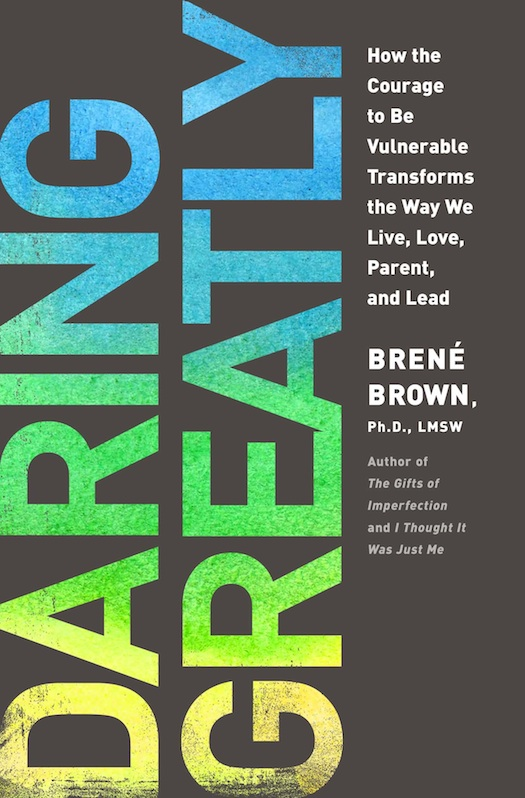 Brown shares an idea that at first seems counterintuitive: that we draw courage from being vulnerable. But in her engaging style, she soon demonstrates how this simple principle can transform the way we take risks.
2. The Art of Procrastination, by John Perry
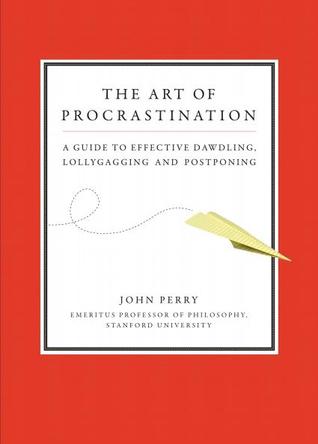 This book is short and sweet, but it tackles that challenge we all face. Namely, how do we battle that urge to put important things off? Perry suggests that we shouldn’t try to stop procrastinating all together, but that we can learn to use procrastination as a tool to our advantage.
3. Love Leadership, by John Hope Bryant
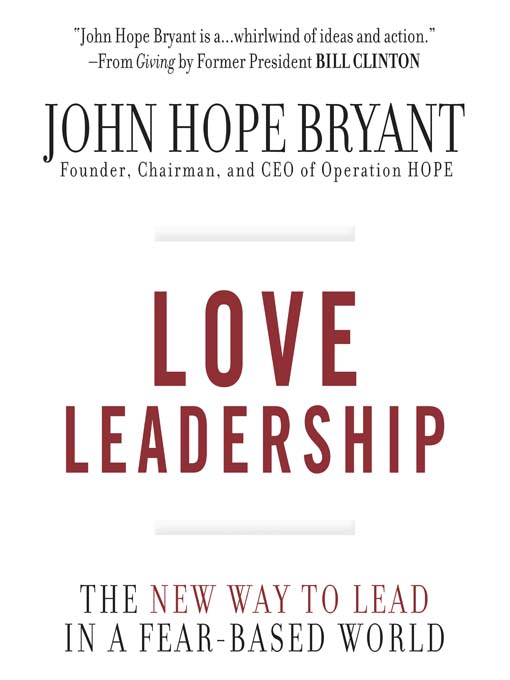 Bryant elegantly lays out why leading with love is the most powerful way to lead. Packed with personal stories that really drive the message home, this book has had a great impact on me, as it has helped me grow into a compassionate leader.
4. The Five Dysfunctions of a Team, by Patrick Lencioni
 Written as a fable about one terribly dysfunctional fictional company, Lencioni reveals his five dysfunctions–absence of trust; fear of conflict; lack of committment; avoidance of accountability; and inattention to results–with engrossing characters and stories. We learn how teams should operate by seeing a demonstration of all the wrong behaviors.
Happy reading!
Tags: Great books, How to Boost Self-Esteem, Leadership, Leadership books, Learning Agility, Lifelong Learning
- Leave a comment
- Posted under Changing Your Life, Uncategorized
February 27, 2014 Dealing With Setbacks
We show our true colors when things don’t go as planned. It’s easy to be kind, confident and happy when everything goes our way, but not so much when we encounter that unavoidable road block.
If you have a pulse, you’re going to hit road blocks. So how do you prepare yourself to deal with failures and letdowns with grace and character?
1. Take a step back.
Think of all the times in your life when you thought it was the end of the world. How often did that turn out to be true? I’m guessing never, since the world is clearly still here. It’s easy to get trapped in doomsday thinking when you run into a real problem. The truth is, it’s almost never as bad as you think it is at that given moment. When you learn to reinforce this while you’re brain is in crisis mode, you’ll be able to take a step back and see the situation more clearly.
2. Don’t give up.
Your self-destructive voice in your head I like to call your saboteur will take every stumble as a chance to encourage you to throw in the towel. Don’t listen!
It takes thousands of hours of work to reach success and mastery, and nobody gets it the first time around. Be patient with yourself, and keep plugging away.
3. Reach out.
Letdowns, failures, and detours can be embarrassing. The last thing you may feel like doing is going to someone else for help and support. But just remember, there’s no shame in failure, only shame in not trying in the first place. You’ll be pleasantly surprised how happy your friends and family will be to get behind you. You need only be humble and honest about your situation.
4. Revise your plan of attack.
If you’re constantly failing at the same task or project, there’s a good chance you need to change your plan altogether. The definition of insanity, after all, is doing the same thing over and over again expecting different results. Take hiccups as a chance to reassess your strategy. What’s not working? Why? How can you make it work? You may need to reign in your goals a bit, and this is okay. It’s better to make incremental steps forward than to have grand plans that you’re unable to reach.
Take comfort in the fact that setbacks are part of the process, and keep plugging away!
Tags: Career Coach, Career Coach Advice, Career Coaching, Dealing With Letdowns, How to Boost Self-Esteem, How to Change Your Life, Improving Leadership, Leadership, Lifelong Learning, Margaret Smith, Stuck at the Crossroads, UXL
- Leave a comment
- Posted under Advice from a Life Coach, Uncategorized


 UXL Blog