Tag Archives: empathy at work
February 4, 2026 Empathy As a Superpower

Empathy is a term that is used frequently and not always in a positive manner. It is sometimes viewed as weak or wishy-washy. And some people even see it as political. In truth, empathy is not a sign of weakness but of strength. And it isn’t political, or religious, or only meant for a certain segment of the population. Rather, it is deeply human and more necessary than ever.
It’s important to note that empathy is not the same as sympathy. Sympathy relates to feeling sorry for another, or even pitying them. Empathy is more about understanding. It’s about expanding your horizons to see another’s perspective. It’s about being curious and open enough to want to understand. This innate curiosity helps people of all backgrounds and beliefs work together, live side by side, and cooperate.
Because no two people are alike, empathy can, indeed, be a superpower. It’s a way to reach others, negotiate, and have productive dialogues. When there’s a need for creativity or brainstorming solutions, it’s a way of gathering different ideas and making sense of them. That’s because empathy goes hand-in-hand with solution seeking. It is essentially the opposite of combativeness or stubbornness.
In my experience, empathetic leaders are often skilled at bringing out the best in their teams. These individuals understand the importance of truly listening—soaking in both what someone is saying and the context or subtext related to what is being said. For example, if a team member is adamant about gearing a product toward working parents, an empathetic leader might think about what they know about that team member. Maybe they are a single mother who faces numerous everyday challenges. As such, their passion makes sense, and the empathetic leader will know they are speaking from experience. Likely, this person is not the only one who is facing similar struggles, and it is probably smart to consider their perspective when developing products or solutions.
Empathy is useful in all different contexts, both within and outside of the workplace. It’s a simple fact that everyone wants to be understood and listened to. Because of this, an empathetic person makes a good conversation partner by giving others the space to express themselves and explain their perspective. That doesn’t mean being a pushover, and it doesn’t mean an empathetic person doesn’t have their own opinions and beliefs. It simply means that they are open to listening and understanding.
In a world where things are often portrayed as black and white, empathy is a courageous but necessary choice. Without it, we would constantly be at loggerheads with others, stuck in a single perspective. That’s not productive, and it only creates animosity and hard feelings. Rather, let’s make an effort to choose empathy and start really listening to what others have to say. That can make all the difference.
MARGARET SMITH IS A CAREER COACH, AUTHOR, INSIGHTS® DISCOVERY (AND DEEPER DISCOVERY) LICENSED PRACTITIONER, AND FOUNDER OF UXL. SHE HOSTS WORKSHOPS FOR PEOPLE WHO NEED CAREER OR PERSONAL GUIDANCE.
Tags: active empathy, empathy as superpower, empathy at work, Margaret Smith life coach, Margaret Smith minneapolis, need for empathy
- Leave a comment
- Posted under Advice from a Life Coach, Communication, Current Events
September 23, 2020 How to Practice Active Empathy

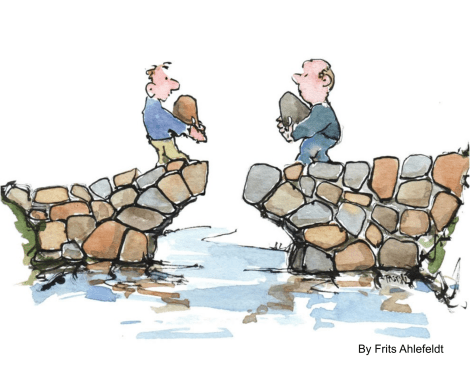
It seems that, with each passing year, our country is becoming more and more divided and less able (or willing) to understand each other’s perspectives. That’s a shame, because a little empathy can make an enormous difference. When we understand where people are coming from, what they believe, and why they operate the way they do, we can build bridges, instead of putting up walls. We can make progress instead of becoming gridlocked.
I have found that I can find common ground with anyone, no matter how different we are. I can sit across the table from that person and have a perfectly civil conversation. We all have the power to do this, we simply need to follow a few simple guidelines:
Start with Common Ground
It’s always easier to ease into a conversation once you’ve established some rapport and some common ground with the other person. Are you both fond of cooking? Do you both have children? Do you enjoy hiking? Or artwork? Or gardening?
Ask questions and be willing to open up and volunteer information about yourself. Connecting with others takes a measure of vulnerability on both sides.
Ask Questions
Empathy starts with caring about the other person and their point of view. Be curious. Ask open-ended questions (instead of yes/no questions) and get the other person to open up. Be intentional about your question-asking tactics and don’t ask questions with the intention of picking a fight.
Listen
The other half of asking good questions is practicing active listening. It’s great to ask questions, but if you don’t listen to the answer, you’re not going to get anywhere. Oftentimes, we ask questions, thinking we already know the answer. But, it’s possible (even probable) you do NOT know the answer! In fact, it’s best to assume you don’t know the answer to a question when you ask it. That forces you to pay attention and truly listen to what the other person has to say.
Pick Your Battles
It is difficult to change another’s mind over the course of a single conversation. Besides, that shouldn’t be the goal of your interaction in the first place. The goal is understanding. Hopefully, once you’ve demonstrated empathy and a willingness to listen to another’s point of view, that person will behave in kind. If it seems appropriate to share your perspective, start with a bridge-building sentence. For instance:
“I understand you feel X about Y. I see the situation a little differently. This is my point of view…”
If the atmosphere begins to feel hostile and the other person starts putting up walls, that’s a sign that the conversation is going nowhere. If that’s the case, there’s no harm in changing the subject. You’re not giving up; you’re recognizing that traveling further down this road would be futile. Better to end the conversation with some mutual understanding and respect than to push it into hostile territory.
I firmly believe that empathy is the missing tool many of us need to build bridges and establish mutual understanding. Be the bigger person—extend empathy first. Aim for understanding, ask questions, be a tad vulnerable, and maybe, just maybe, you’ll start a dialogue and encourage people to come together to solve problems, instead of fighting across the aisle.
MARGARET SMITH IS A CAREER COACH, AUTHOR, INSIGHTS® DISCOVERY (AND DEEPER DISCOVERY) LICENSED PRACTITIONER, AND FOUNDER OF UXL. SHE HOSTS WORKSHOPS FOR PEOPLE WHO NEED CAREER OR PERSONAL GUIDANCE.
CHECK OUT MARGARET’S ONLINE LEADERSHIP COURSE.
Tags: active empathy, connect with others, empathy at work, Margaret Smith life coach, Margaret Smith minneapolis, practice active empathy
- Leave a comment
- Posted under Advice from a Life Coach, Communication, Discussions
April 25, 2018 Making Compromises that WORK
Ever witnessed a child being told they must share their toys with another child? Their reaction to this news wasn’t too pretty, was it?
Although we’ve grown to understand that the world doesn’t revolve around us and we don’t always get our way, that small child’s voice is still inside us, protesting whenever things don’t go how we want them to.
But the truth is, in order to lead in any real sense of the word, you must learn the art of making compromises. But how do you effectively make a compromise? How do you ensure that both parties feel satisfied with the outcome?
- Express yourself fully, and listen intently. Explain your reasoning behind your viewpoint. Often our views are skewed by our emotions, which makes it harder to make effective decisions. Articulating your view to another person forces you to take a good long look at your position, and in many cases this allows you to see where your view may not be perfect. On the same token, listen to what the other person is actually saying, not what you think they’re saying. Hear them out before you rush to judgment. Open communication is crucial to getting things done.
- Think from the other person’s perspective. If it continues to be difficult for you to accept the other person’s position, do your best to put yourself in their shoes. What’s the reasoning behind their thoughts, ideas, and opinions? Even if you disagree, can you see why they hold these views?
- Be committed to results. Compromising pushes two opposing viewpoints past a gridlock into a region where they can move from ideas into actions. In this way, compromise is one of the most powerful tools we have to getting results. A compromise is a mature way of acknowledging that we can never fully get what we want all the time, but we can get more of what we want if we work together to achieve it.
- Be prepared to be disappointed, but give it time. At first, you might only see what you didn’t get out of a compromise. This is understandable, but don’t give up on it just yet. In the long term, compromising pays off for both parties, as you’ve established an alliance and proven to one another that you are capable of working together and taking steps forward.
Have a great week!
MARGARET SMITH IS A CAREER COACH, AUTHOR, INSIGHTS®DISCOVERY LICENSED PRACTITIONER, FOUNDER OF UXL, AND CO-FOUNDER OF THE TAG TEAM. SHE HOSTS WORKSHOPS FOR PEOPLE WHO NEED CAREER OR PERSONAL GUIDANCE. YOU CAN VISIT HER WEBSITE AT WWW.YOUEXCELNOW.COM


Tags: authentic leadership minneapolis, business lessons, career coach Minneapolis, compromises that work, effective compromise, empathy at work, margaret smith career coach, Saint Paul career coach


 UXL Blog