August 10, 2022 Create Art! (And Enjoy Its Many Benefits)

For many of us, creating art feels like a leisure activity that we simply don’t have time to do. Who can devote 17 hours to making a vase? Or spend weeks painting and repainting a canvas. And then there’s learning a new skill (photography, calligraphy, needlework…). How many hours does that take?
While it doestake time to master an art form, that’s not necessarily the goal of creating art (especially if you’re doing it for enjoyment, rather than earning an income). The important thing is the action itself, not perfection. The simple act of making art (no matter its form) can be a wonderful and welcome escape. Even doodling in a notebook counts! You don’t have to make something to hang on the wall or display in a case (though you could!). The point is simply to DO.
The act of creating art can have remarkably positive side effects. Some of these include the following:
Stress Reduction
Art, in its many forms, has been known to lower stress. Studies have shown that creativity can increase dopamine levels—a neurotransmitter that is known to increase happiness and stave off feelings of anxiety, stress, or even depression.
I suggest picking an artform that comes naturally to you—watercolor, pencil drawing, molding clay, knitting—and engaging in that activity throughout the week, especially when you’re feeling stressed. What do you noticed when you do this activity? How does it feel to let your mind drift as you’re creating art?
Increased Optimism
When you actively make art, your spirits lift and you tend to feel more optimistic. Artwork can spark creativity and inspire hope. The same goes for looking at certain pieces of artwork. If you’re beholding a rugged mountain landscape or a serene forest path, you may begin to feel inspired or comforted. What inspires you? A blooming flower? A lake in the middle of a dense forest? Abstract colors and shapes? Photos of the galaxy? Either create it or view it.
Better Problem-Solving and Focus
Professor and art therapy researcher Girija Kaimal says that “making art should induce what the scientific community calls ‘flow’ …It’s that sense of losing yourself, losing all awareness. You’re so in the moment and fully present that you forget all sense of time and space.” When you allow yourself a moment to get creative, your concentration improves and you equip yourself for problem-solving.
Kaimal also states that art could serve an “evolutionary purpose” by helping us “navigate problems that might arise in the future.” When we choose to let our minds wander, they can go to incredible places and, perhaps, even aid us in problem solving.
Improved Self-Esteem
In addition to the many neurological benefits I’ve mentioned, art can also act as a confidence booster. How? Positive accomplishments (even small ones, such as creating a doodle drawing or sewing on a button) give us a jolt of dopamine. One study examined the effects of participating in a creative art program on a group of women with Multiple Sclerosis. The study found that participants experienced “significant increases in self-esteem” after joining the art program.
Art is tangible, and creating it allows us to feel a distinct sense of accomplishment. That, alone, can give your confidence a boost.
Even if you’ve never considered yourself artistic, you might find enjoyment, relief, and clarity through art. Pick something you enjoy (or you think you’ll enjoy), start engaging in it regularly, and get into the habit of creating art. The potential positive effects are numerous.
MARGARET SMITH IS A CAREER COACH, AUTHOR, INSIGHTS® DISCOVERY (AND DEEPER DISCOVERY) LICENSED PRACTITIONER, AND FOUNDER OF UXL. SHE HOSTS WORKSHOPS FOR PEOPLE WHO NEED CAREER OR PERSONAL GUIDANCE.
HER NEW EBOOK IS CALLED A QUICK GUIDE TO COURAGE.
Tags: create art and enjoy benefits, creating art and self-confidence, creativity and stress reduction, Margaret Smith life coach, Margaret Smith Twin Cities, the many benefits of creating art, workplace art benefits
- Leave a comment
- Posted under Advice from a Life Coach, Changing Your Life, Discussions
August 3, 2022 4 Simple Ways to Develop a Growth Mindset
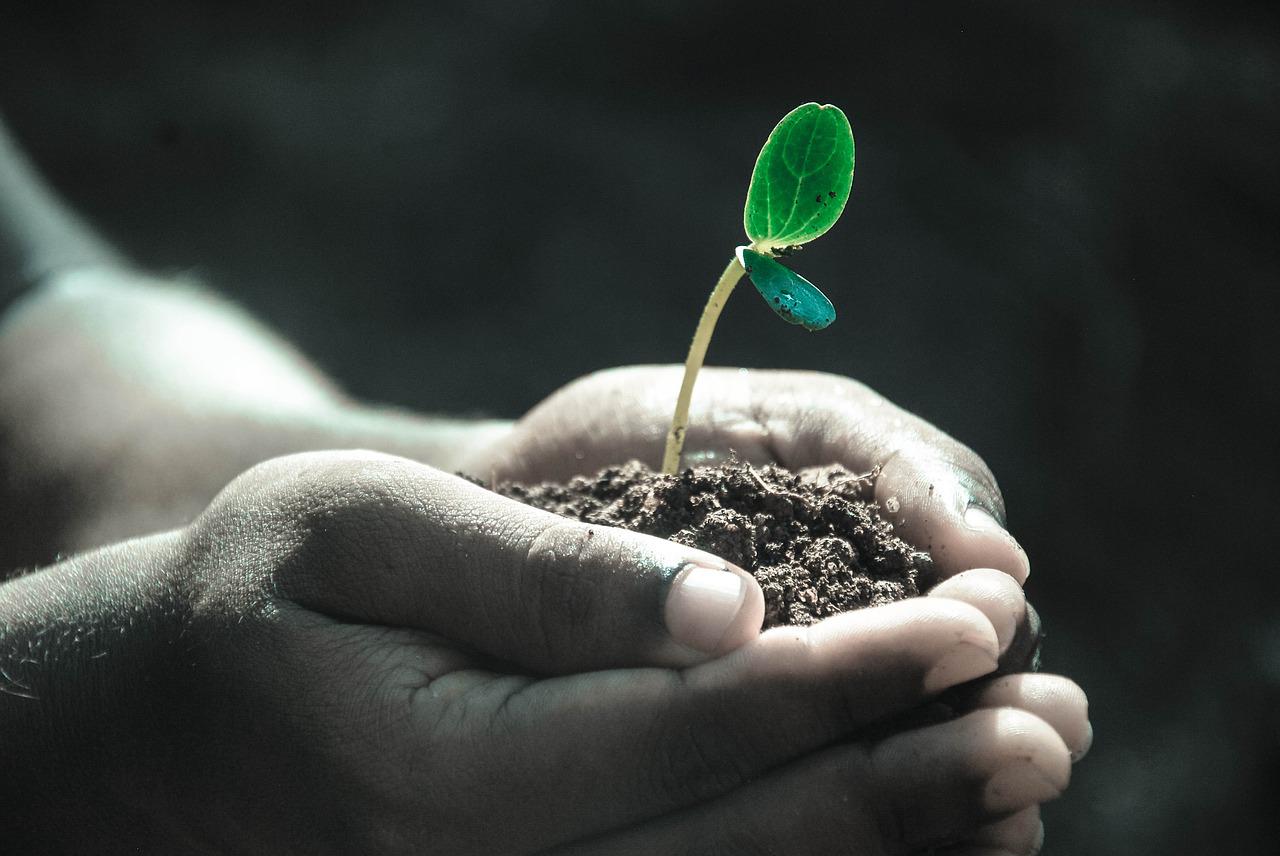
If there’s anything the last few years has taught us, it’s that life can change at the drop of a hat. Many people had to transition to a work from home environment with little notice, meetings were suddenly virtual, and kids were learning at home instead of in a classroom setting. Now, with the Great Resignation still in full swing, employers and business leaders are having to adapt and adjust to the needs of their teams. Life is fluid, and if you don’t want to be swept up in the current, you need to be flexible and adapt a growth mindset.
The term “growth mindset” was coined by psychologist Carol Dweck, who described two main mindset categories: growth and fixed. Those with a growth mindset often see opportunities to learn, grow, and develop. They believe they can change when they need to and actively work toward making those changes. On the other hand, those with a fixed mindset generally believe they are unable to change, adapt, or evolve. They are more easily defeated by failures, and they tend to firmly resist change.
If you’re sometimes guilty of having a fixed mindset, that’s okay! It is possible to develop a growth mindset. It only takes time, tools, and the willpower to do so.
Let’s talk about 4 ways to develop your growth mindset…
1. Pay Attention to Your Thoughts
We all have an inner voice. It may be positive and encouraging, or it may be telling you things like, “You can’t,” “You’re not good enough,” or “This is just the way things are.” What is your inner voice telling you? If it tends to be more negative and defeatist, that’s a good sign you tend to have a fixed mentality. Once you’re aware of that, you can begin to talk back to your inner voice and begin to take on a more positive, growth-oriented mindset.
2. Reframe Failure
It’s easy to feel deflated by failure. No one likes to fail. However, it is possible to reframe failures as opportunities. Next time you’re faced with failure—a work project that flopped, a client that went with another company, an idea that didn’t get picked up—think about what you learned from the failure. What went wrong? How can you do things differently next time? Use these moments as chances to learn, redo, and move on.
3. Embrace Brain Plasticity
We used to think adult brains were somewhat rigid and fixed, but recent studies have shown that that’s not at all true. The brain is still malleable, even as an older adult. Even those who have experienced extreme brain trauma (such as a coma or major concussion) can retrain and essentially rewire their brains. That is the power of neuroplasticity, or the brain’s ability to adapt and reshape.
4. Use the Word “Yet”
Next time you catch yourself doubting your abilities or lamenting failure, add the word “yet” to the end of your sentence. For example:
I don’t understand computer coding…yet.
I can’t operate this machinery…yet.
I can’t speak Spanish…yet.
I haven’t reached my sales goals…yet.
This simple word connotes opportunity and helps you get in a positive frame of mind. Instead of feeling defeated, you give yourself a glimmer of opportunity. Maybe you haven’t achieved something yet, but success could be on the horizon.
MARGARET SMITH IS A CAREER COACH, AUTHOR, INSIGHTS® DISCOVERY (AND DEEPER DISCOVERY) LICENSED PRACTITIONER, AND FOUNDER OF UXL. SHE HOSTS WORKSHOPS FOR PEOPLE WHO NEED CAREER OR PERSONAL GUIDANCE.
HER NEW EBOOK IS CALLED A QUICK GUIDE TO COURAGE
CHECK OUT MARGARET’S ONLINE LEADERSHIP COURSE.
Tags: changing mindset, develop growth mindset, margaret smith career coach, Margaret Smith Twin Cities, techniques to develop growth mindset, ways to growth mindset
- Leave a comment
- Posted under Changing Your Life, Goals
July 27, 2022 One Secret to Finding Satisfaction in Life

From a young age, we’re conditioned to always strive for more. We try to earn top grades in school or become the best athlete. We try to become first chair in the band or the lead singer in the school musical.
And that inclination doesn’t leave us as adults. At work, we try to earn accolades, climb the ladder, or gain recognition from our peers. In our personal lives, we think we’ll be happier if we buy a bigger house, purchase a certain car, join a certain club, or modify our appearances to look a certain way.
Where does it end? When do you actually achieve satisfaction?
Arthur Brooks, author of From Strength to Strength, asked the Dalai Lama this very question. To me, the answer was enlightening. The Dalai Lama said that to find “stable happiness,” we need to “stop striving to have what we want and start wanting what we have.”
If we’re constantly striving for more, we forget to be grateful for what is right in front of us—what we already have. Yes, ambition and motivation are important, but there’s a limit. If you’re always wanting more, more, more, you will forget to pause and enjoy life.
Today, I fear we’re all moving at a pace that is unsustainable and, frankly, unhealthy. What if we were to slow down? What if we were to pause each and every day to think about what we have instead of dwelling on what we lack? How might your worldview change? How might your sense of self-worth and happiness change?
Let’s start small. This week, I challenge you to set aside 5 minutes every day to journal about your gratitude. Jot down whatever comes to mind.
Consider these questions:
- What are you grateful for right now?
- What gives you a spark of joy?
- What do you have that you often take for granted?
- Who has helped you along the way?
- What small act of kindness or helpfulness aided you today?
Focusing on what you have (whether tangible items, reliable people, or kind gestures/actions of others) is an important step toward becoming a generally satisfied person. Of course, you’ll probably have moments when you’ll want more of something or desire some kind of change in your life, but let those moments spur productive motivation instead of greed. As long as you keep gratitude at your center, you’ll empower yourself to become more content and satisfied with life. And isn’t that the ultimate dream?
MARGARET SMITH IS A CAREER COACH, AUTHOR, INSIGHTS® DISCOVERY (AND DEEPER DISCOVERY) LICENSED PRACTITIONER, AND FOUNDER OF UXL. SHE HOSTS WORKSHOPS FOR PEOPLE WHO NEED CAREER OR PERSONAL GUIDANCE.
HER NEW EBOOK IS CALLED A QUICK GUIDE TO COURAGE.
Tags: be satisfied in life, Dalai Lama view on satisfaction, keys to achieving satisfaction, Margaret Smith life coach, Margaret Smith Minneapolis career coach, secret to satisfaction in life
- Leave a comment
- Posted under Advice from a Life Coach, Changing Your Life


 UXL Blog