February 21, 2024 5 Ways to Command the Room

Some people seem to have a natural presence that commands attention. When they speak, people listen and pay attention. Even in a crowded meeting room, they seem to have no trouble being heard. If you are not one of these people, this may seem like a skill that is beyond your reach.
How do you develop the confidence, poise, and presence to get others to tune in to what you’re saying? How do you make sure your voice is heard? Let’s talk about 5 ways to command the room.
Use Powerful Body Language
At times, your body language can say more than your actual words. To convey confidence, stand tall with your shoulders back, and make eye contact with your audience. Use hand gestures to emphasize your points (but don’t go too wild!) and try to remain calm and at ease. Avoid crossing your arms or slouching, as this can make you appear closed off or disinterested.
Speak with Conviction
Another important aspect of commanding the room is speaking with conviction. Speak with clarity and purpose, and project your voice (but don’t shout) so others can hear you. If you mumble or speak too softly, your message can get lost and others may think you lack confidence.
Control the Pace and Tone of Your Voice
To command the room, it’s crucial to control the pace and tone of your voice. Speak slowly and clearly, allowing your words to resonate with impact. Vary your tone to convey different emotions and maintain the audience’s interest. A monotone voice can quickly lose their attention (watch a few TED Talks speeches to see how the speaker varies their voice to engage the audience).
Practice, Practice, Practice
Preparation and practice are key to commanding the room. When you know your material inside and out, you won’t have to worry about stumbling through what you need to say. It is also a good idea to anticipate any questions or criticisms that may arise (and practice your response). Practice what you’re going to say multiple times to build confidence and ensure smooth delivery. The more prepared you are, the more effectively you can command the room.
Engage with Your Audience
It is easy to lose your audience’s attention if you speak at them and not with them. The best speakers are engaging speakers—ones who encourage participation by asking questions, seeking input, or sharing relatable stories. Show genuine interest in what others have to say and actively listen to their responses. This not only establishes a connection with your audience but also keeps them paying attention and invested in your message.
Keep in mind, few people are born with the ability to command a room. This takes deliberate effort, practice, and time. You might not nail it right away, but that’s okay! Keep practicing, pay attention to how others respond to you, and don’t give up. With practice and confidence, you can become a skilled speaker who commands attention and leaves a lasting impact on your listeners.
MARGARET SMITH IS A CAREER COACH, AUTHOR, INSIGHTS® DISCOVERY (AND DEEPER DISCOVERY) LICENSED PRACTITIONER, AND FOUNDER OF UXL. SHE HOSTS WORKSHOPS FOR PEOPLE WHO NEED CAREER OR PERSONAL GUIDANCE.
CHECK OUT MARGARET’S ONLINE LEADERSHIP COURSE.
Tags: better public speaking, effectively lead a meeting, Margaret Smith business coach, margaret smith leadership, speaking leadership tips, ways to command a room
- Leave a comment
- Posted under Communication, Goals, Leadership
February 14, 2024 Improve Team Dynamics with Insights

You know it when you’re a part of it. A team with a great working relationship communicates well, respects each other, and has a great balance of creativity and strategy. This type of team has excellent rapport, and everyone feels as though they have a voice and their perspectives are respected. When you partner with a team like this, the work seems effortless and you tend to be highly productive.
How do you achieve such a “dream team”?
What can you, as a leader, do to foster the type of environment that produces great teams?
Excellent teams can be built in a number of ways, but in my experience, the very foundation of creating a great team involves getting to know your people at a deep level, and figuring out how they mesh with one another. This may seem like a daunting task, but there is actually a relatively simple tool you can use to develop this type of deep understanding of your team members: Insights® Discovery.
Insights® is a science-based program that helps people gain an intimate understanding of their personal thought patterns, behavioral tendencies, communication preferences, strengths, and more. The data gathered through assessments is analyzed and explained using a very approachable methodology: four colors. The main idea of Insights® is that we all have the capability to embrace all four colors (i.e., personality types), but we tend to prefer one or two colors over the others.
The colors are:
- Cool Blue (analytical, thoughtful, data and strategy driven)
- Sunshine Yellow (social, creative, idea and relationship driven)
- Fiery Red (confident, commanding/natural leader, to-the-point)
- Earth Green (empathetic, inclusive, pensive)
Though this is an oversimplification of the program, this gives you a general idea of the four colors and how they are associated with personalities (read more about Insights® and communication in this past blog post).
How does Insights® relate to team dynamics?
A person’s Insights® profile not only provides information and insights about how that individual functions (and their ideal environment), but also tells us how individuals relate to others. For example, we might learn that one person tends to embody many “Sunshine Yellow” qualities—they are gregarious, social, and more enthusiastic about idea generation than analytics or strategy. This person might work with someone who leans toward “Cool Blue” and is fairly quiet and reserved, likes to fully analyze the numbers, and wants to explore many options before making a decision.
If these two people do not understand A) how they, personally, tend to operate or B) how their teammate operates, they might start to clash or become frustrated with each other. On the other hand, if these individuals are fully aware of how each person tends to think, behave, and communicate, they can lean into each other’s strengths instead of clashing. Different people can be assigned different roles within the team (don’t put the Sunshine Yellow person behind a desk, crunching numbers all day; and don’t make the Cool Blue person lead a creative brainstorming session!), so everyone can shine.
I have been a Licensed Practitioner of Insights® for about a decade, and I can attest to its effectiveness. Communication and understanding improve, and suddenly teams are talking to each other using the Insights® color language (“My ‘red’ side is really anxious to get this done, but I think we should hear what the ‘blues’ have to say” or “I know this is very ‘green’ of me, but I think we should bring Becky into the conversation and see what she has to say”).
By acknowledging your own tendencies and understanding the thought patterns and preferences of others, you can begin to build a harmonious team that capitalizes on each other’s strengths and recognizes potential trouble spots. If your work team needs to improve its dynamics, consider taking a closer look at Insights®.
MARGARET SMITH IS A CAREER COACH, AUTHOR, INSIGHTS® DISCOVERY (AND DEEPER DISCOVERY) LICENSED PRACTITIONER, AND FOUNDER OF UXL. SHE HOSTS WORKSHOPS FOR PEOPLE WHO NEED CAREER OR PERSONAL GUIDANCE.
CHECK OUT MARGARET’S ONLINE LEADERSHIP COURSE.
Tags: better team cohesion with Insights, Insights and Teamwork, insights discovery and improving teamwork, Insights Discovery and team dynamics, Margaret Smith licensed Insights practitioner, Margaret Smith Minneapolis career coach
- Leave a comment
- Posted under Insights Discovery, Teamwork
February 7, 2024 Managing Remote Teams: Tips and Best Practices for Leaders
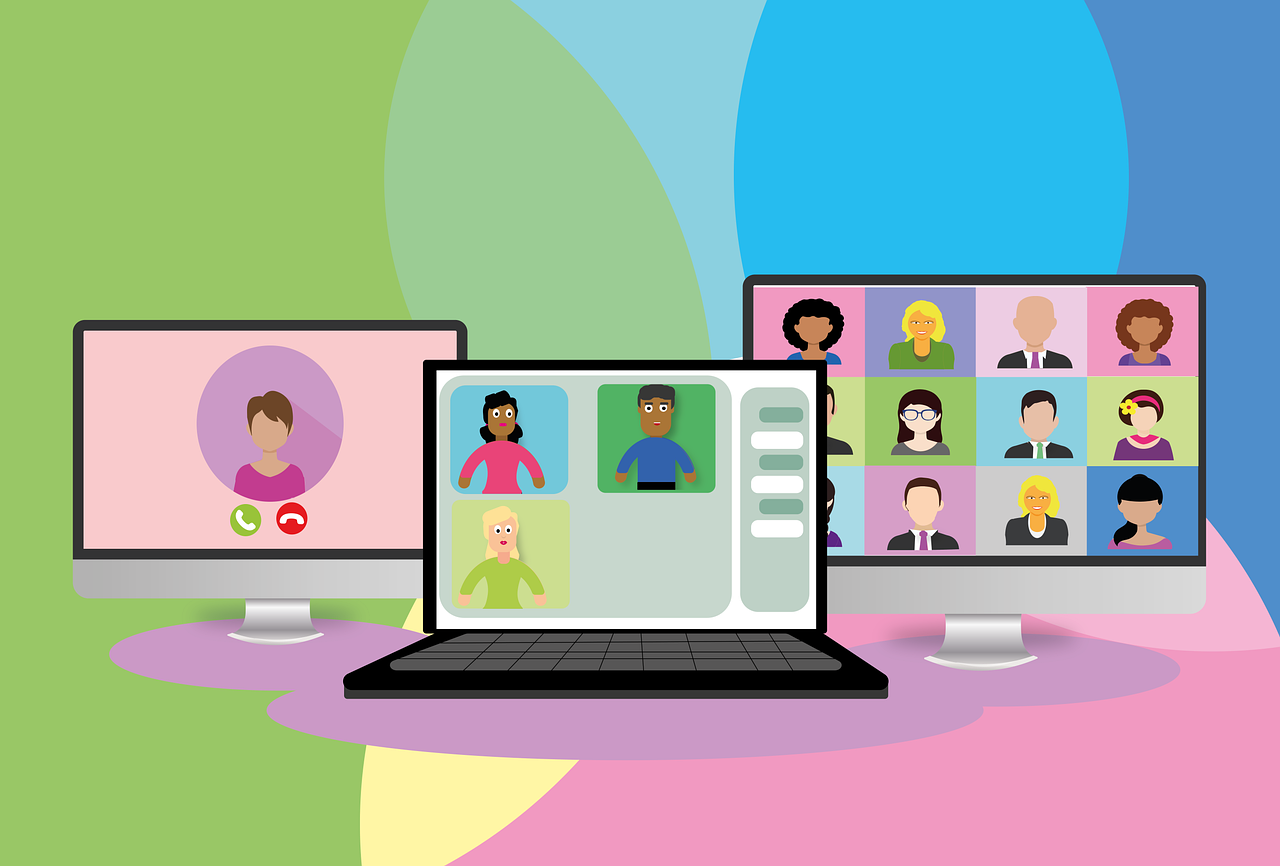
Nearly four years after the start of the 2020 COVID pandemic, the workplace seems to be permanently changed. Although some companies have required its people to return to work full-time, many have continued to allow working from home (WFH) at least a few days each week.
And why not? For many people, this way of working is advantageous. People may have an easier time concentrating at home (less background chatter and people popping in and out of your cubicle), they might feel more at ease, and they often have more control over their time. Working from home can be especially helpful for parents or caretakers, who regularly have to rush around at odd hours of the day. What’s more, a study by Owl Labs shows that, “On average, those who work from home spend 10 minutes less a day being unproductive, work one more day a week, and are 47% more productive.”
However, WFH comes with its own set of challenges. A work team might be less unified or less comfortable with each other than if they were working together in person. Leaders might feel that they have less control over their people, or they may have trouble understanding precisely what their team is working on. Additionally, morale can be difficult for leaders to gauge when their team is working remotely.
How can company leaders face these challenges head on? Here are a few tips and best practices:
Encourage communication
Foster open and frequent communication channels within the remote team. Use video conferences, instant messaging, and project management tools to ensure everyone is on the same page. While communication is vital, it is also important to make sure you’re not micromanaging or imposing on others’ boundaries (such as expecting an email reply after normal work hours). Communicate clearly and regularly, but be respectful.
Set clear expectations
Clearly define goals, deadlines, and deliverables for the team. Provide detailed instructions and guidelines to minimize confusion and ensure productivity. Create a shared understanding of what success looks like for each project or task. This will help team members stay focused and aligned with the overall objectives. Be transparent about priorities and any changes that may arise. Regularly check in with team members to provide feedback and address any concerns or roadblocks.
Promote collaboration
Encourage collaboration among team members, even when they are not physically together. Create opportunities for brainstorming, problem-solving, and sharing ideas. Foster a sense of belonging and teamwork by organizing virtual team-building activities or social events. Collaboration tools such as shared documents or virtual whiteboards can facilitate this process.
Check in regularly
Regular check-ins can ensure employee well-being and address any issues they may be facing. This can be done through one-on-one meetings or team check-ins. Show genuine care and interest in the work and personal lives of your people, and offer support and resources to help them navigate any challenges they may encounter while working remotely.
Provide necessary resources
Ensure that your remote team has the necessary resources to effectively work from home. This includes access to reliable internet connection, appropriate software and tools, and any additional equipment they might need. Provide training and support to help your team members maximize their productivity and adapt to remote work. Stay updated on the latest technology and tools that can enhance remote collaboration and efficiency.
Establish a supportive culture
Foster a positive and inclusive remote work culture by promoting empathy, trust, and work-life balance. It is possible to encourage team members to support and uplift each other, even from a distance. As a leader, you can recognize and celebrate their achievements and milestones, offer flexibility, encourage self-care and stress management, and create opportunities for team members to connect on a personal level, such as virtual coffee breaks or team lunches. And don’t forget to lead by example, demonstrating a healthy work-life balance and prioritizing well-being.
Managing remote teams requires leaders to adapt to the unique challenges and opportunities that come with remote work. With a little effort and a smart strategy in place, leaders can effectively lead remote teams and ensure their success. The modern landscape has permanently changed; how will YOU adapt?
MARGARET SMITH IS A CAREER COACH, AUTHOR, INSIGHTS® DISCOVERY (AND DEEPER DISCOVERY) LICENSED PRACTITIONER, AND FOUNDER OF UXL. SHE HOSTS WORKSHOPS FOR PEOPLE WHO NEED CAREER OR PERSONAL GUIDANCE.
CHECK OUT MARGARET’S ONLINE LEADERSHIP COURSE.
Tags: lead remote teams, lead work from home group, manage remote teams, margaret smith leadership, Margaret Smith UXL, motivate WFH team
- Leave a comment
- Posted under Communication, Leadership


 UXL Blog