March 7, 2012 5 Minute Personal Branding Pep Talk
By Margaret Smith, UXL:
SPEAKER | CAREER COACH | CERTIFIED INSIGHTS DISCOVERY PRACTITIONER
Recently, I led a couple of workshops at the St. Kate’s Leadership Conference, where I had the great opportunity to speak to large groups of dynamic women of all ages and professions about the importance of personal branding.
The workshops went really well, and I think that everyone had an “ah-ha moment” that day, little or large, that helped them to improve their brand and the way they promote their skills and goals.
At the end of the workshop, most of the women were generous enough to jot down some of their key takeaways. As I read through the attendee responses, I realized that they would make a really great abbreviated personal branding pep talk.
So, without wasting any more time, here are some of the most important pointers:
>> Be consistent in your actions in order to be seen in a way that aligns to your brand.
>> You are remembered more for the questions you ask than the answers you give.
>> Personal brands evolve, but a deeper understanding of your goals keeps you grounded.
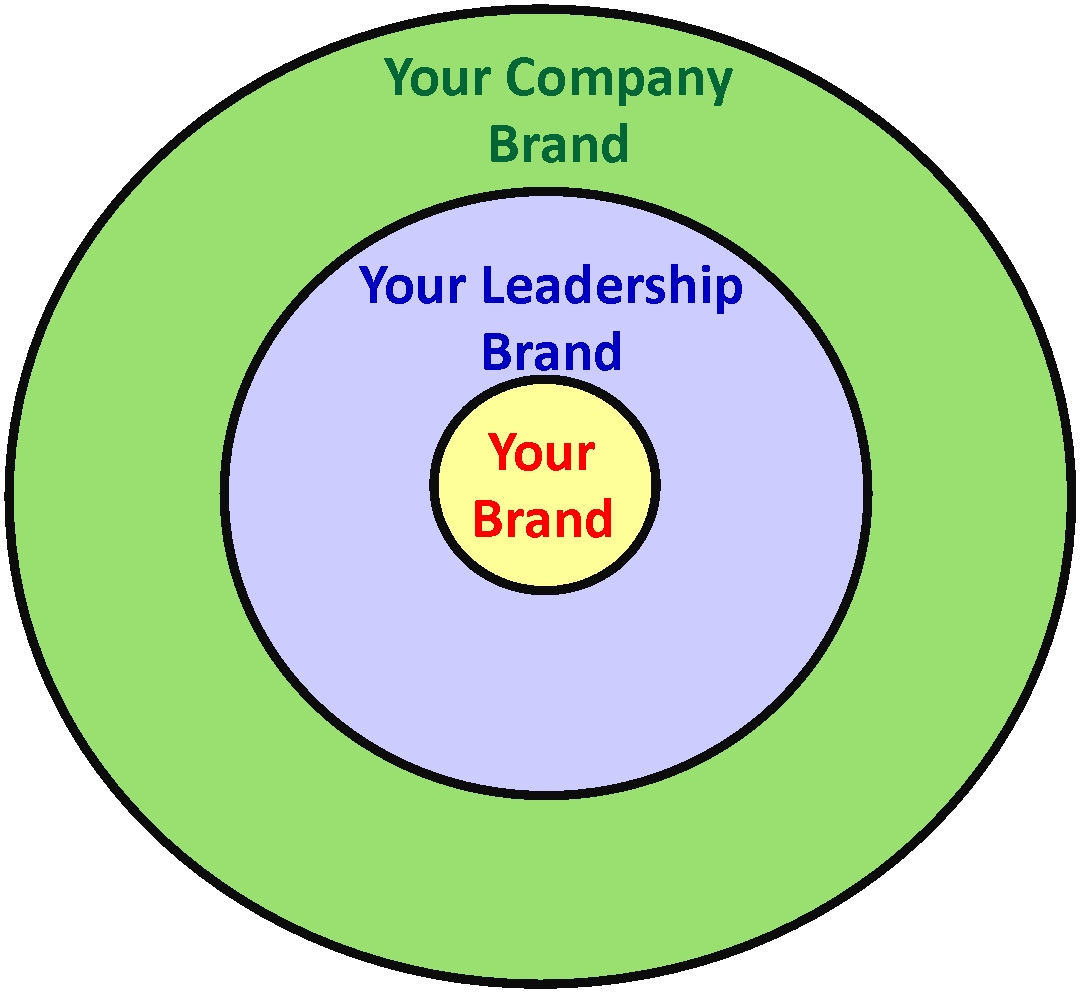
>> Your personal brand supports your leadership brand and in turn supports your company brand.
>> Realize your own personal branding potential and use this energy to build your brand the way you envision it.
>> Nothing is more important than reviewing your daily activities and questioning whether they support your personal brand.
>> Tasks that seem cumbersome or tedious can be transformed into opportunities to showcase my skills and brand.
Remember, no empire is built overnight, just as no brand is transformed in a day—baby steps, baby steps!
Perhaps today will be the day that you take five minutes to write down those daily tasks and question their place in your brand or finally create a plan of attack.
I find that many of us already know most of the things we need to do. Sometimes all that is missing is a specific plan to finally do it. The great news? I can help you with that. Contact me today to learn how I can help you develop a strategy to start showcasing your skills and receiving the projects you do best.
Tags: Better Personal Branding, Improve Personal Branding, Personal Branding, Quick Personal Branding Pep Talk
- 2 comments
- Posted under Advice from a Life Coach, Changing Your Life, Personal Branding
February 28, 2012 Rudeness at Work Means Lost Customers, Profits
By Margaret Smith, UXL:
SPEAKER | CAREER COACH | CERTIFIED INSIGHTS DISCOVERY PRACTITIONER
According to an article in INC Magazine this month, employee to employee squabbling and sniping can not only erode a team, but even end up costing you customers and make enemies of patrons.
The article’s author, J.J. McCorvey, explains that a recent study found that “when customers witness employees being disrespectful to one another—yelling, using profane language or openly criticizing another’s performance—customers not only get mad, but they often try to punish the company in some way.” The negative repercussions of rude interactions among employees often results in complaints, boycotting, and brand erosion inside and outside the company.
Often, the study illuminated, customers felt less likely to make a future purchase with the company.
| Employee is… |
Rude to me |
Rude to another customer |
Rude to another employee |
| Level of anger |
5.67 |
4.99 |
4.87 |
| Likelihood of another purchase |
2.7 |
3.25 |
3.25 |
| Level of interest in the company |
3.3 |
3.29 |
2.6 |
The study was based on a series of customer surveys that revealed that “it’s not all about the customer’s own experience”, but also about “what they [the customers] perceived as unfair behavior toward an employee.” During the study, respondents were asked to recall a time when they had “witnessed an employee being uncivil to another worker.”
A shocking 92% of the respondents said they had “subsequently made negative comments to other people about the company”, while nearly half of the respondents said that they felt “less willing to repurchase the company’s products or services.”
McCorvey rightly reminds us that no matter how we try to keep hostility and rudeness behind closed doors in the workplace, it “often has a way of trickling down to customers, whether or not they witness it directly.”
Although leaders, teammates, and owners cannot monitor all of the actions of others, we are all still capable of changing the way we personally interact with the coworkers around us. This will not only elevate our brand and enable our efforts, it will also help motivate others to improve their own attitudes and interactions.
Not only does being nice result in happier customers and coworkers, but it also results in personal benefits for YOU:
1. Get the Projects You Want Most: Being easy to work with, and getting along with a variety of personalities, encourages others to view you as more flexible and eligible for new and different opportunities.
2. Build and Extend Your Brand: Building a brand that includes politeness and niceness means that people will feel comfortable being honest and open with you. It also sets you up for positions involving integration and interaction with new groups, individuals, and organizations.
3. Jobs, Projects, and People Come to You: The referrals will come flooding in from coworkers and clients if you continue to make positive energy deposits in others. This goes for your time spent on the job, as well as during the job search.
4. You’ll Meet More People: If you’re friendly and agreeable, more people want you around, whether during a project or networking opportunity such as a dinner, party, etc.
5. Life is Easier: Things get expedited more often, people pull strings, and others are happy to do favors. Being nice builds social capital that makes life less of a hassle and allows your dreams to be realized.
Interested in learning more about how your behavior, and your attitude, can transform your relationships, your career, and your life? Contact UXL to discover how positive change and greater self-awareness can help you to realize your own potential!
Tags: Be Nice at Work, How to Build Your Brand, The Cost of Rudeness
February 14, 2012 Do You Know Your Leadership Style?
By Margaret Smith, UXL:
SPEAKER | CAREER COACH | CERTIFIED INSIGHTS DISCOVERY PRACTITIONER
There isn’t a single specific trait that makes you a great leader. Instead, there are many different traits that make a person a good source of guidance, encouragement, and direction—and every leader embodies their own unique combination of strengths.
“Every leader has a particular style of leadership that is innate. However, the behaviors, attitudes, or methods of delivery that are effective for one staff member may in fact be counterproductive for another,” says MSR Communications Account Supervisor Michael Burke.
What Burke is getting at here is embodied in an important question: Are you aware of your own leadership style, and do you make an effort to learn how this style actually comes across to your team?
Before you start to consider the traits of a great leader, make an effort to examine your own special brand of leadership. Below I’ve listed some of the top leadership traits named by leadership professionals—look for traits that currently represent your style, and use these traits as a reminder of what you’re all about at work and in life!
- Honesty
- Focus
- Passion
- Respect
- Persuasiveness
- Confidence
- Clarity
- Care
- Integrity
- Humility
- Collaborative
- Empowering
- Fearlessness
- Compassion
- Shared Visionary
- Engaging
- Self-Aware
- Genuine
- Flexible
- Supportive
Need help discovering your leadership brand? Contact me today to learn about how Insights Discovery and Career Coaching can transform your career and your life.
Tags: Improving Leadership, Leadership, Leadership Brand, Leadership Style


 UXL Blog