Category Archives: Changing Your Life
March 21, 2012 Solving the Challenge of Older Unemployed Workers
By Margaret Smith, UXL:
SPEAKER | CAREER COACH | CERTIFIED INSIGHTS DISCOVERY PRACTITIONER
Today I read a fascinating article published by the Urban Institute titled “Can Unemployed Workers Find Work?” that really changed the way I think about the challenge older unemployed workers face in today’s job market.
Let’s face it–we all know about our own experiences, but how did job loss affect Americans in a larger sense? Read on for the real story about how the “Great Recession” has affected the American workforce.
Who Really Lost Jobs
As we all witnessed, and in many cases firsthand, people rapidly lost jobs as the recession swelled. According to the Urban Institute, the male workforce was hit slightly harder than the female workforce, with monthly male unemployment rates averaging “10.3 percent in 2009 and 10.5 percent in 2010, the highest since reliable records began in 1948.” These percentages compare with women’s job prospects, “which were only slightly better… whose unemployment rate averaged 8.1 percent in 2009 and 8.6 percent in 2010.”
You know what else I learned? This unemployment stuck around—and it’s not just you. According to the Bureau of Labor Statistics, a shocking 31% of unemployed adults had been without work for more than a year in the second quarter of 2010.
The Good News for Older Workers
Contrary to my expectations, if you’re an older worker, you’re actually less likely to be fired. Workers employed in wage and salary jobs in the second half of 2008 age 50 to 61 were “34% less likely than those age 25 to 34 to lose their jobs within 16 months.” And, what’s more, unemployment rates are consistently lower for older workers.
Unemployment among Older Workers Hard to Defeat
So there’s less of a chance that an older worker will be laid off, but that doesn’t mean it doesn’t, and didn’t happen. Now what? Unfortunately, if you’re an older worker who’s been laid off, studies show it will take substantially longer to find employment. “Workers age 50 to 61 who lost their jobs between mid-2008 and the end of 2009 were a third less likely than those age 25 to 34 to find work within 12 months, and those age 62 or older were only half as likely.”
That means that although less older workers were laid off, it was 33-50% more difficult to get back on your feet again. No matter what your age, however, getting back to work was no piece of cake. Workers age 25 to 34 were faced with a 36% likelihood of finding a job within a year, compared to 24% likelihood for workers age 50 to 61, and 18% likelihood at age 62 and older.
Not only are older workers toughing it out to reenter the job market, they’re also settling for a lower wage.

(source: www.urban.org)
So how do older workers combat these daunting statistics? I advocate the active pursuit of training, taking advantage of employment services, and reaching out in new and open-minded ways. Let’s face it, being stuck in the job hunt—especially for a longer period of time—can really be a drain on your motivation and positive energy. If you think that your progress toward your next career could benefit from a guiding, professional career coach, contact me today to learn how I can help you find direction and energy once again.
Source: “Can Unemployed Older Workers Find Work?” by Richard W Johnson and Janice S. Park, Urban Institute
Tags: Career Coaching, Job Hunt Advice, Stuck at the Crossroads
March 7, 2012 5 Minute Personal Branding Pep Talk
By Margaret Smith, UXL:
SPEAKER | CAREER COACH | CERTIFIED INSIGHTS DISCOVERY PRACTITIONER
Recently, I led a couple of workshops at the St. Kate’s Leadership Conference, where I had the great opportunity to speak to large groups of dynamic women of all ages and professions about the importance of personal branding.
The workshops went really well, and I think that everyone had an “ah-ha moment” that day, little or large, that helped them to improve their brand and the way they promote their skills and goals.
At the end of the workshop, most of the women were generous enough to jot down some of their key takeaways. As I read through the attendee responses, I realized that they would make a really great abbreviated personal branding pep talk.
So, without wasting any more time, here are some of the most important pointers:
>> Be consistent in your actions in order to be seen in a way that aligns to your brand.
>> You are remembered more for the questions you ask than the answers you give.
>> Personal brands evolve, but a deeper understanding of your goals keeps you grounded.
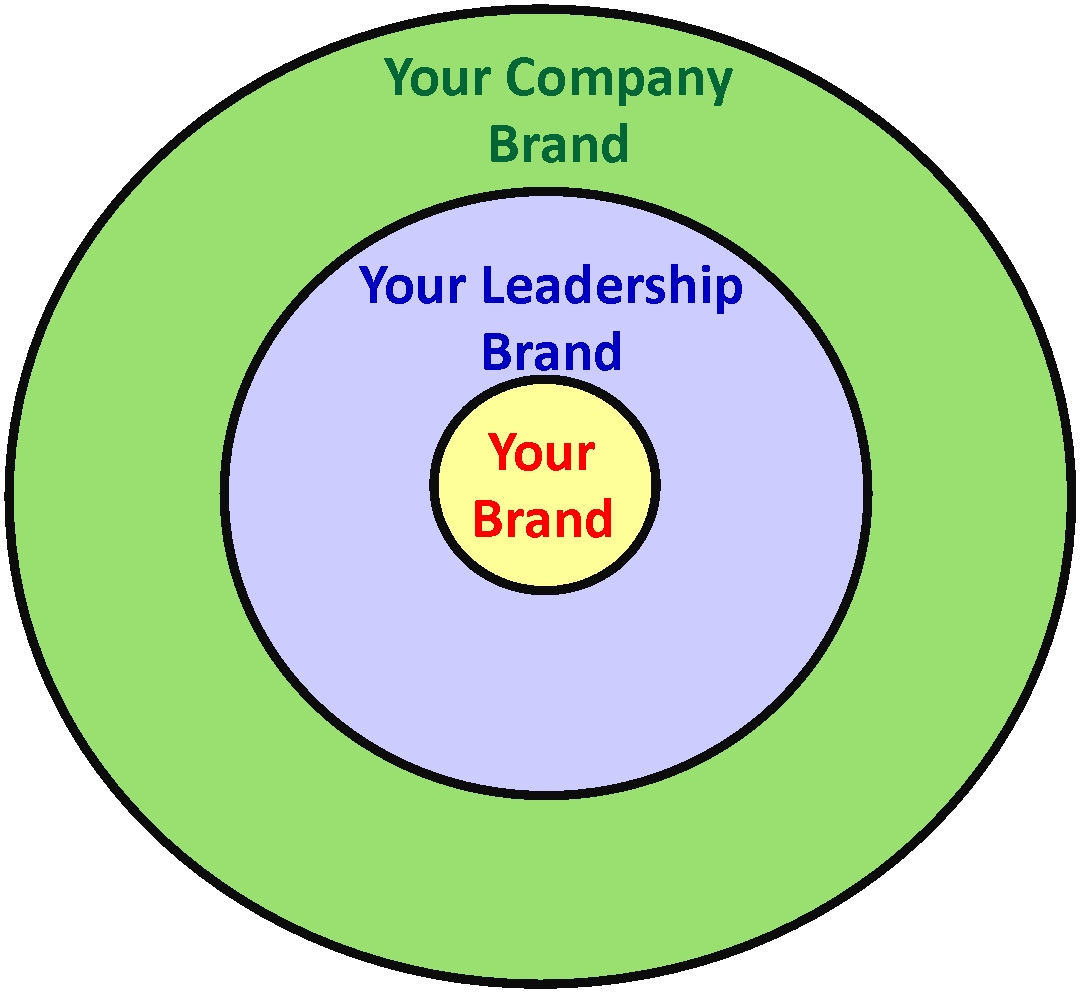
>> Your personal brand supports your leadership brand and in turn supports your company brand.
>> Realize your own personal branding potential and use this energy to build your brand the way you envision it.
>> Nothing is more important than reviewing your daily activities and questioning whether they support your personal brand.
>> Tasks that seem cumbersome or tedious can be transformed into opportunities to showcase my skills and brand.
Remember, no empire is built overnight, just as no brand is transformed in a day—baby steps, baby steps!
Perhaps today will be the day that you take five minutes to write down those daily tasks and question their place in your brand or finally create a plan of attack.
I find that many of us already know most of the things we need to do. Sometimes all that is missing is a specific plan to finally do it. The great news? I can help you with that. Contact me today to learn how I can help you develop a strategy to start showcasing your skills and receiving the projects you do best.
Tags: Better Personal Branding, Improve Personal Branding, Personal Branding, Quick Personal Branding Pep Talk
- 2 comments
- Posted under Advice from a Life Coach, Changing Your Life, Personal Branding


 UXL Blog