Category Archives: Changing Your Life
July 16, 2014 4 Great Leadership Books For Your Summer Reading List
As you take your summer trip, lay out on the beach, or simply lounge in your backyard, a great book can really be the icing on the cake.
I’m often asked what I’m reading as it relates to business and leadership, so I thought I’d share a few of my personal favorites on the subject. Since it’s summer, I kept the textbooks off the list. But don’t be fooled: While they may be “light” reading, the insights they carry pack a punch.
1. Daring Greatly, by Brené Brown.
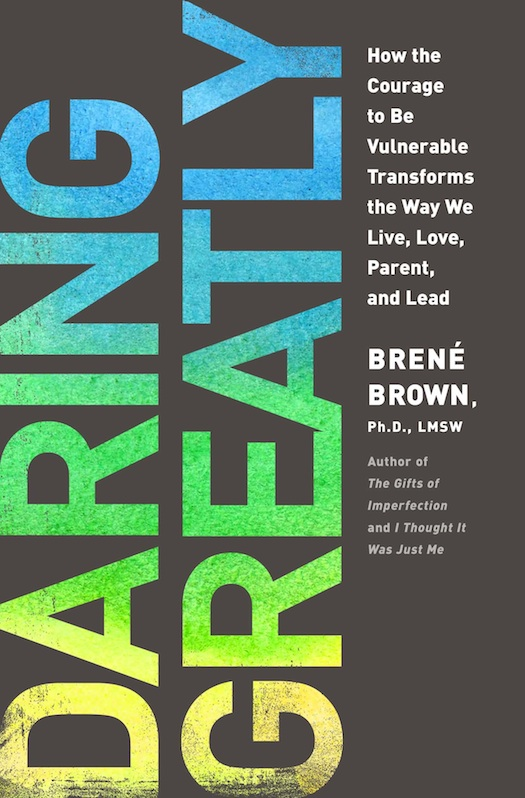 Brown shares an idea that at first seems counterintuitive: that we draw courage from being vulnerable. But in her engaging style, she soon demonstrates how this simple principle can transform the way we take risks.
2. The Art of Procrastination, by John Perry
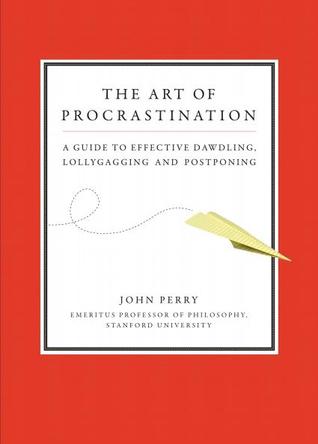 This book is short and sweet, but it tackles that challenge we all face. Namely, how do we battle that urge to put important things off? Perry suggests that we shouldn’t try to stop procrastinating all together, but that we can learn to use procrastination as a tool to our advantage.
3. Love Leadership, by John Hope Bryant
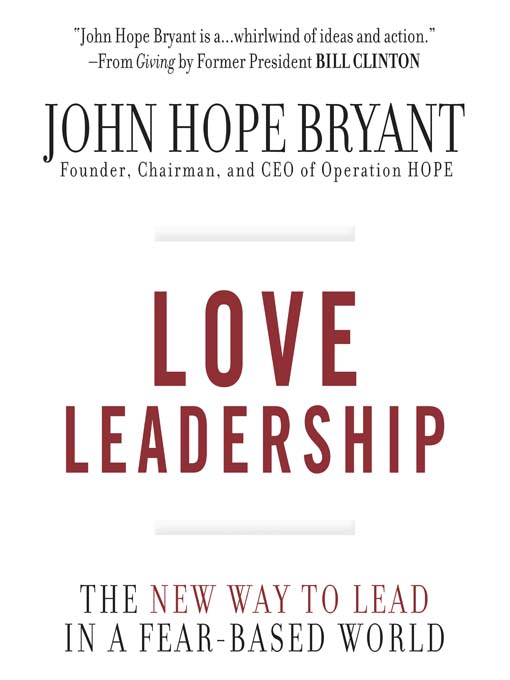 Bryant elegantly lays out why leading with love is the most powerful way to lead. Packed with personal stories that really drive the message home, this book has had a great impact on me, as it has helped me grow into a compassionate leader.
4. The Five Dysfunctions of a Team, by Patrick Lencioni
 Written as a fable about one terribly dysfunctional fictional company, Lencioni reveals his five dysfunctions–absence of trust; fear of conflict; lack of committment; avoidance of accountability; and inattention to results–with engrossing characters and stories. We learn how teams should operate by seeing a demonstration of all the wrong behaviors.
Happy reading!
Tags: Great books, How to Boost Self-Esteem, Leadership, Leadership books, Learning Agility, Lifelong Learning
- Leave a comment
- Posted under Changing Your Life, Uncategorized
July 4, 2014 Lessons In Leadership From American History
On this Fourth of July, I hope you’re taking time to get outside, enjoy time with friends and family, and see some fireworks. But the holiday also offers us a chance to look back on the country’s history and see what kind of lessons and insight we might take from it. In particular, what can we learn about leadership from the first American leaders?
This is the topic of a blog post from Harvard Business review blog: here’s the link.
In contrast to the way we see the Founding Fathers–great, infallible men who did no wrong–the article points out that each founder had both brilliant areas of expertise, but also glaring weaknesses. “Thomas Jefferson, drafter of the Declaration of Independence, was superb with a pen,” writes Jeffrey Gedmin, CEO of Legatum Institute. “He was a notoriously poor public speaker, however.” Similarly, John Adams was extremely intelligent and courageous, but suffered “extreme mood swings” that made him difficult to work with.
So while we may view the Founders in a heroic light, the truth is they too were normal people with normal strengths and weaknesses. The success of the country came not from strength or genius of individuals, but from the power of cooperation and complementary skill sets.
Just a little food for thought. Have a great holiday weekend!
Tags: Career Coach Advice, Delegation, Effective Communication, Improving Leadership, Leadership, Margaret Smith, UXL
- Leave a comment
- Posted under Changing Your Life, Uncategorized
June 4, 2014 Are You A Working Parent? Sustaining Success At Work And At Home
These past few weeks I’ve been attending quite a lot of weddings. It seems couples have wisely planned their wedding days around the time Minnesota has (finally!) given us some much-needed warm weather.
I love weddings, and it’s been a privilege to participate in the Big Days of young folks I’ve known from all corners of my life. But these past couple of weeks have made me think two, very related thoughts:
1. I’m busy as it is with my work–toss a few weddings in the mix and things can get hectic real quick.
2. Weddings are the platform from which two people jump off into a new life together. A big part of this is learning to balance and sustain their personal lives and their careers.
I’ve found that there tend to be periods of relative calm in my life, where my biggest concern is keeping myself from being bored. And then, all at once, life throws ten things at me and I’m scrambling to stay afloat.
If you’re a parent, you know that life doesn’t relent just because you’re tired or overworked. Kids still need feeding, dishes need doing, and that stack of work on your desk isn’t going to magically disappear. So it’s important to your sanity and quality of life that you develop a work flow that keeps things manageable.
Here’s how:
1. Take advantage of downtime. It’s easy to sit back and idle the engine, to use a car metaphor, when work and home life relents and you find yourself with an open schedule. But you can’t take a car from first gear to fifth. The engine just can’t handle that big of a transition. In the same way, if you relax too much during the lulls, it makes it that much more difficult to be ready to perform your best when things begin to pile up. So, use downtime to prepare for the next onslaught. It’ll keep you productive when there’s not much going on, and it’ll make things much easier for you when things get busy.
2. Focus on one task at a time. Here’s a post I wrote about the myth of multitasking. It may feel like you’re able to get more done faster, but in reality you aren’t.
3. Prioritize. Your family should be number one on your priority list, and if they aren’t, perhaps you should reevaluate what is most important in your life.
4. Learn to say no. You can’t do everything that people ask of you. There’ll be some projects at work you’ll have to pass up in order to spend time with your family. Similarly, there’ll be family activities that won’t mesh with your work schedule. After prioritizing, you’ll know what to turn down and what to take on.
Tags: How to Change Your Life, Improving Relationships, Life balance, Margaret Smith, UXL
- Leave a comment
- Posted under Changing Your Life, Uncategorized


