Category Archives: Better Business
May 12, 2021 7 Ways to Guide Your Team into Reentering the Workplace

As your workplace begins to reopen its doors, you’ll probably be met with a variety of emotions and perspectives. Some people (the extroverted, yellow-energy-leading folks) may be thrilled at the prospect of working with others face-to-face. Others may dread returning to the office and are able to be much more productive at home. Still others fall somewhere in between—they enjoy the flexibility of having a choice to work from home or come into the office, and they want to maintain control over their schedule.
With such a wide range of opinions and points of view, it might seem like an impossible feat to make everyone happy. You can, however, take steps to achieve the best possible setup for the majority of your team members.
Start with these 7 tips:
1. Get Employee Feedback
Involve as many people as you can in the planning process. That doesn’t mean putting together a 100-person Zoom meeting where everyone shouts their opinions! What it DOES mean is surveying or talking with people on a one-on-one basis and gathering information. Ask open-ended questions and encourage candid responses. Some questions might include:
- What would be an ideal work setup for you?
- What excites you about returning to the office? What are you dreading?
- What steps can we take in the office to make sure you feel safe?
- How can we support you and the rest of the team to make this transition as smooth as possible?
2. Review Your Communication Tools
This past year, we’ve had to get creative and adapt to new forms of communication. As we begin to return to the office, some people may continue to embrace these new communication methods, while others will be eager to return to the old methods. It’s a good idea to see if people are burnt out on virtual chats, or if they don’t mind them. For some, virtual communication is more welcoming and accessible (some services provide captioning options, for instance), while others might be better able to read body language and mood in a face-to-face setting. It’s possible that your communication methods will be somewhat of a hybrid, with occasional virtual meetings interspersed between in-person ones.
3. Maintain Team-Building Efforts
Many teams have gotten creative over quarantine time with virtual happy hours, check-ins, or online team games. It would be a shame to lose those team-building activities once you’ve all returned to the office. Make an effort to stay connected as a team, and keep engagement high, even as we return to the physical workplace.
4. Stock up on Patience and Flexibility
Protocols and practices may change over time. New information and changing conditions will require additional shifts and plenty of patience. It’s important that you practice flexibility and be a role model for others. Convey that things are bound to continuing changing and evolving. This doesn’t reflect incompetence, but a willingness to learn and improve as circumstances change or new developments are brought to light.
5. Be a Source of Joy
One of the best ways to make the transition smoother is by finding ways to make it better for others. Create a sense of lightheartedness—the unexpected delights of working from home, the mishaps that took place that cracked you up. Show sensitivity to those still working from home and do whatever you can to help them feel included. When you make an effort to be cheerful and buoyant, others will follow suit. Even when things are tough, this type of attitude will help get you into problem-solving mode instead of “woe is me” mode.
6. Stay Focused on the Bigger Story
There will be bumps in the road. There will be difficult stretches of days (or weeks!). That’s inevitable. Instead of getting hung up on small setbacks or difficult events, it pays to focus on the big picture. How can you move forward? What can you do to best serve your team and keep them safe? What are the main goals for this year? By taking a step back and examining the bigger story, you can gain a better perspective when it comes to dealing with everyday annoyances or snags.
7. Manage Expectations
Unless you have a crystal ball, you can’t know what lies ahead. Make sure you convey to your team that you’ll all need to be flexible and roll with the punches for the foreseeable future. Procedures and operations may change (possibly multiple times), and it will take a good amount of teamwork and positive attitudes to move forward. Even though we can’t always manage situations, we CAN manage our response to them.
The transition back to the workplace will inevitably be laden with bumps and obstacles…but it will also present possibilities. This is an opportunity to reinvent the workplace so it is better and more inclusive than before. Keep that in mind as you go forward, and remember to be as open and honest with your team as possible. You’ve got this!
MARGARET SMITH IS A CAREER COACH, AUTHOR, INSIGHTS® DISCOVERY (AND DEEPER DISCOVERY) LICENSED PRACTITIONER, AND FOUNDER OF UXL. SHE HOSTS WORKSHOPS FOR PEOPLE WHO NEED CAREER OR PERSONAL GUIDANCE.
CHECK OUT MARGARET’S ONLINE LEADERSHIP COURSE.
Tags: margaret smith career coach, Margaret Smith licensed Insights practitioner, post-COVID workplace, Reenter workforce after COVID, team adapt to COVID changes, team reentering workplace after COVID
- Leave a comment
- Posted under Better Business, Teamwork, Thrive at Work
May 5, 2021 Returning to the Office: 6 Ways to Prep Your Workplace
Every day, we are seeing signs of hope. More and more people are getting vaccinated, businesses are reopening their doors, people are returning to work. Gradually, we’re working toward a time when we can move past the era of COVID-19 and its stranglehold on our lives. But will life ever truly be the same? Will workplaces operate as they once did?
All signs point to NO.
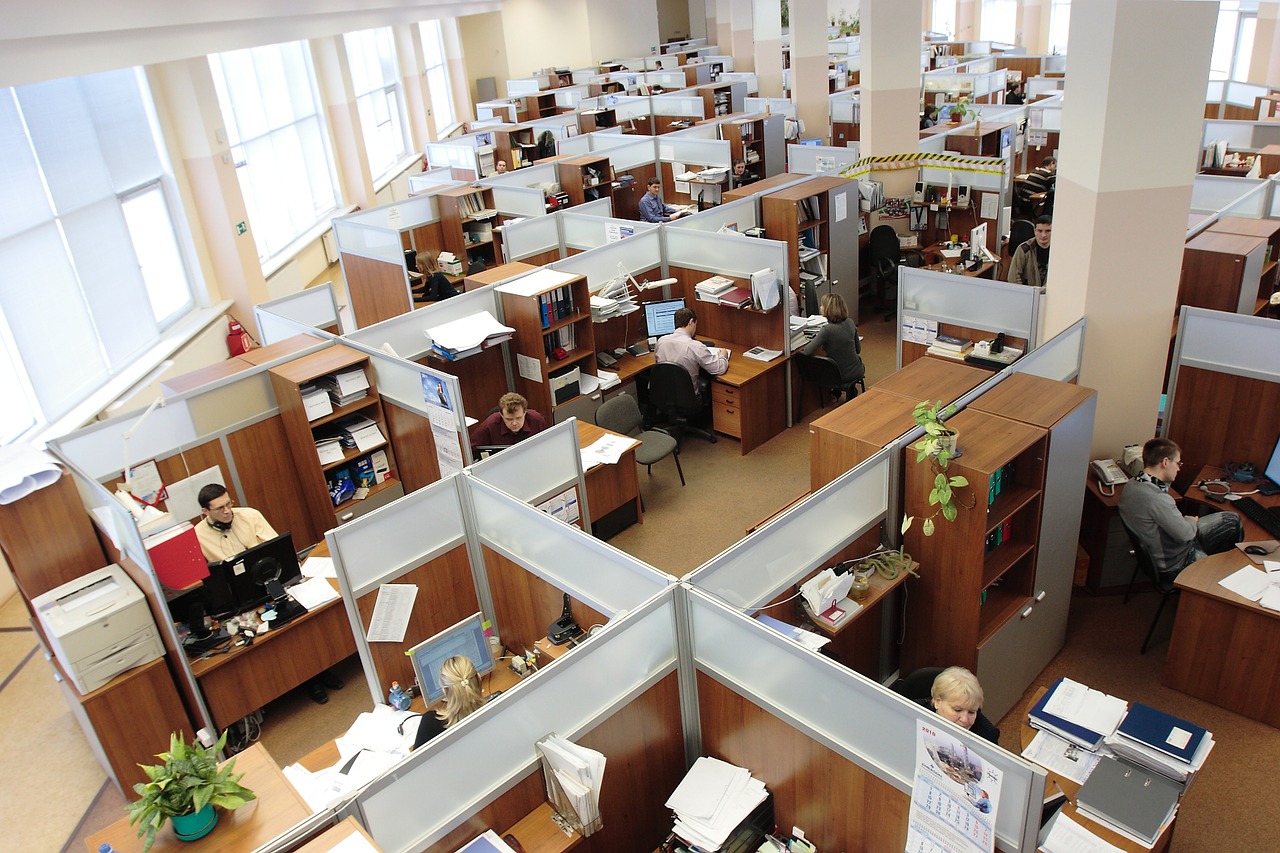
Even though we might return to the same buildings where we worked pre-pandemic and focus on the same duties with the same people, things may look and feel different. Procedures and protocols might change, the layout of the workspace might be tweaked (desks further apart, conference rooms rearranged), and the general feel of the office might seem different.
Beyond these changes, it is clear that workers are ready to embrace a new normal. Many have discovered that they enjoy working from home (or, at least, want to have the option to work from home on occasion). Others have found that they prefer virtual meetings as opposed to taking long, cross-country trips to meet with clients or co-workers in other states. Some, however, are eager to return to the way things were and are looking forward to working alongside others.
With so many differing opinions and perspectives, what’s a workplace to do?
Try following these 6 tips to ease your workers back into a “new normal.”
1. Embrace a Hybrid Work Model
This past year has proven that work can be accomplished at home, as well as in the office. It can be achieved at 5 a.m. …or 9 p.m. So, why not continue to offer flexibility and allow employees to work at home if they’d like, or come into the office if they’d like? If you emphasize results rather than a rigid schedule, you’re only helping those who prefer working at home, prefer a flexible schedule (maybe they have to bring their kids to school or daycare, or maybe they simply want to exercise in the middle of the day), or those who want to avoid a long, stressful commute.
2. Implement a Rotational Work Model
To help people feel safe in the office in these early reentry days, it’s a good idea to keep up some kind of social distancing. To do that, you might put your team members on a rotational schedule, where certain people can work in the office on certain days of the week. That helps keep everyone distanced, while slowing edging back into the workplace.
3. Take a Phased Approach
You don’t have to do everything at once! Take your time with reentry and plan to bring everyone back in phases. Maybe that means introducing a rotational model at first (see point #2,) or encouraging work from home for part of the week, or easing up on mask restrictions once your team is vaccinated. Do what is right for your office and DON’T FORGET to include your employees in your planning. Gather their thoughts and opinions; make sure they feel safe and included.
4. Restructure Your Offices
To help protect your workers and give them a little more peace of mind, it’s a good idea to restructure your offices somewhat. If you can, try spacing workstations so they are six feet apart and well-ventilated. You may also want to invest in a quality air purification system for the office. Beyond that, be mindful of conference rooms, break areas, and other gathering spaces. You may want to encourage virtual conferencing in the short-term, to help discourage clusters of people.
5. Create a Sanitary Workplace
Aside from rearranging your workspace and making big, sweeping changes, it’s a good idea to continue focusing on sanitation. Provide antibacterial hand sanitizer stations across the office and encourage employees to clean desks and chairs with wipes before taking a seat. Make sure everyone has access to sanitation supplies and normalize caution!
6. Encourage Good Hygiene and Self Care
Post handwashing signs in the bathrooms, provide each employee with a supply of hand sanitizer and wipes, and discourage handshakes and touching. It’s also a good idea on taking a FIRM stance against employees coming into the office if they’re feeling under the weather. Let them know that they have your full support if they would rather stay home.
As we tiptoe back into the workplace, these first few months will inevitably be challenging. Take your time, develop a plan, and be sure to involve everyone in the strategy phase. Convey to your team members that you are on their side and want to do everything in your power to keep them safe, happy, and productive. Going forward, we’ll all have to be flexible and willing to learn or adapt. We’re all in this together.
MARGARET SMITH IS A CAREER COACH, AUTHOR, INSIGHTS® DISCOVERY (AND DEEPER DISCOVERY) LICENSED PRACTITIONER, AND FOUNDER OF UXL. SHE HOSTS WORKSHOPS FOR PEOPLE WHO NEED CAREER OR PERSONAL GUIDANCE.
CHECK OUT MARGARET’S ONLINE LEADERSHIP COURSE.
Tags: margaret smith career coach, Margaret Smith Minneapolis career coach, pandemic workplace, post pandemic office, return to workplace post pandemic, work after COVID, work life after COVID
- Leave a comment
- Posted under Better Business, Organization, Thrive at Work
February 17, 2021 The Best Teams are Accountable Teams

It’s easy to let a few things slide. It’s easy to ignore a few missed deadlines, a few late meetings. But little mistakes can easily snowball into major issues, and soon you might find yourself having some tough conversations to straighten things out.
That’s why it’s best to draw a line in the sand right away and hold your team members accountable for their actions.
As a leader, enforcing accountability is part of your role. Not only does it help projects and tasks run smoothly, it also improves relationships among team members. Those who always complete their assignments and meet their deadlines might begin to feel bitter toward those who do not. It is up to you to convey that everyone is on the same level and will be held to the same standards.
To hold your team accountable, follow these Do’s and Do Not’s:
DO make your expectations clear. Set clear deadlines and make sure everyone understands their task or role.
DO act swiftly and fairly if someone falls short. Call that person into your office, ask them why they failed to meet expectations, and discuss disciplinary actions which fit the violation (failing to complete an assignment for a client is much different than showing up two minutes late for a meeting).
DO make reasonable exceptions. If someone spaces on a Zoom meeting because their child had a medical emergency, that’s understandable. If, however, this becomes a repeated pattern, it’s a good idea to have a frank and honest conversation with this person.
DO NOT play favorites. Everyone should adhere to the same set of expectations.
DO make consequences clear. Failure to deliver might directly affect a person’s bonus, lead to a restructuring of their responsibilities, or (in worse-case scenarios) lead to a dismissal.
DO NOT hold yourself to different standards. You are also part of the team.
DO hold one-on-one meetings to convey the seriousness of the matter.
DO convey that accountability is an important part of teamwork, and set your expectations right away.
Accountability is a crucial component of any effective team. Team members should not only feel accountable to their team leader and clients, but also to each other. The best teams are like a rowing crew—they’re all in the same boat, and need to work together to make it move forward.
MARGARET SMITH IS A CAREER COACH, AUTHOR, INSIGHTS® DISCOVERY (AND DEEPER DISCOVERY) LICENSED PRACTITIONER, AND FOUNDER OF UXL. SHE HOSTS WORKSHOPS FOR PEOPLE WHO NEED CAREER OR PERSONAL GUIDANCE.
CHECK OUT MARGARET’S ONLINE LEADERSHIP COURSE.
Tags: accountability in workplace, holding teams accountable, leadership and accountability, margaret smith career coach, margaret smith leadership, methods for holding team accountable
- Leave a comment
- Posted under Better Business, Teamwork


